GT Block Prototypes the Next Generation of Prosthetics
November 14, 2024 2024-11-15 13:16GT Block Prototypes the Next Generation of Prosthetics
By: Arshia Rampuria and Ruhi Khanna
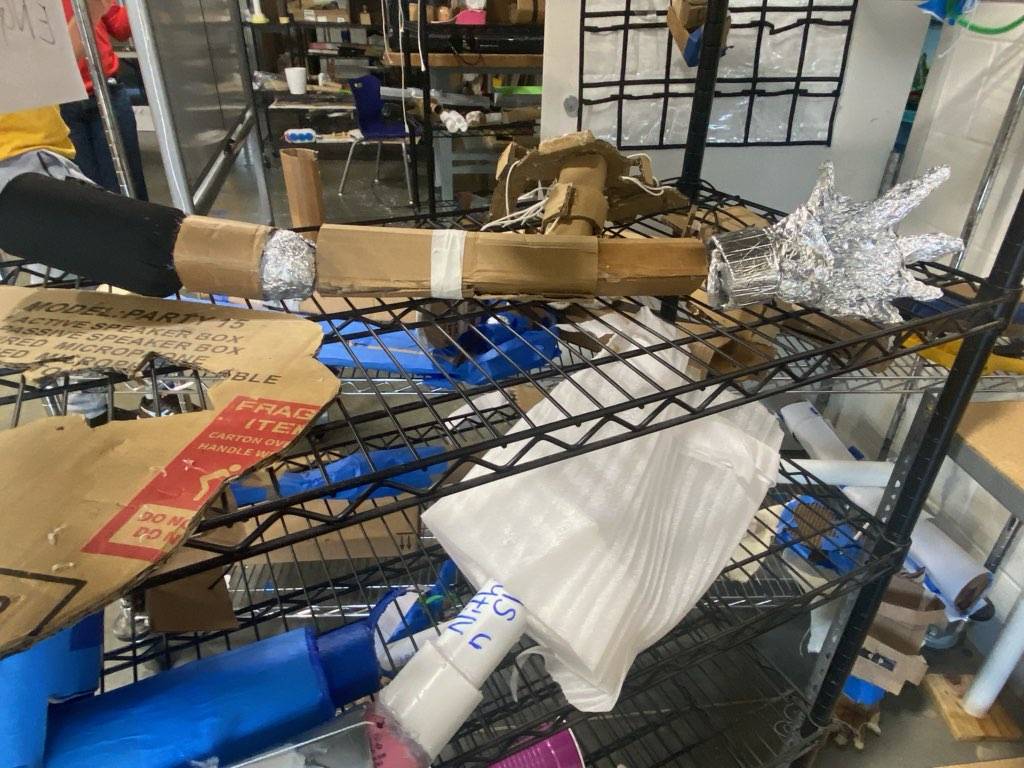
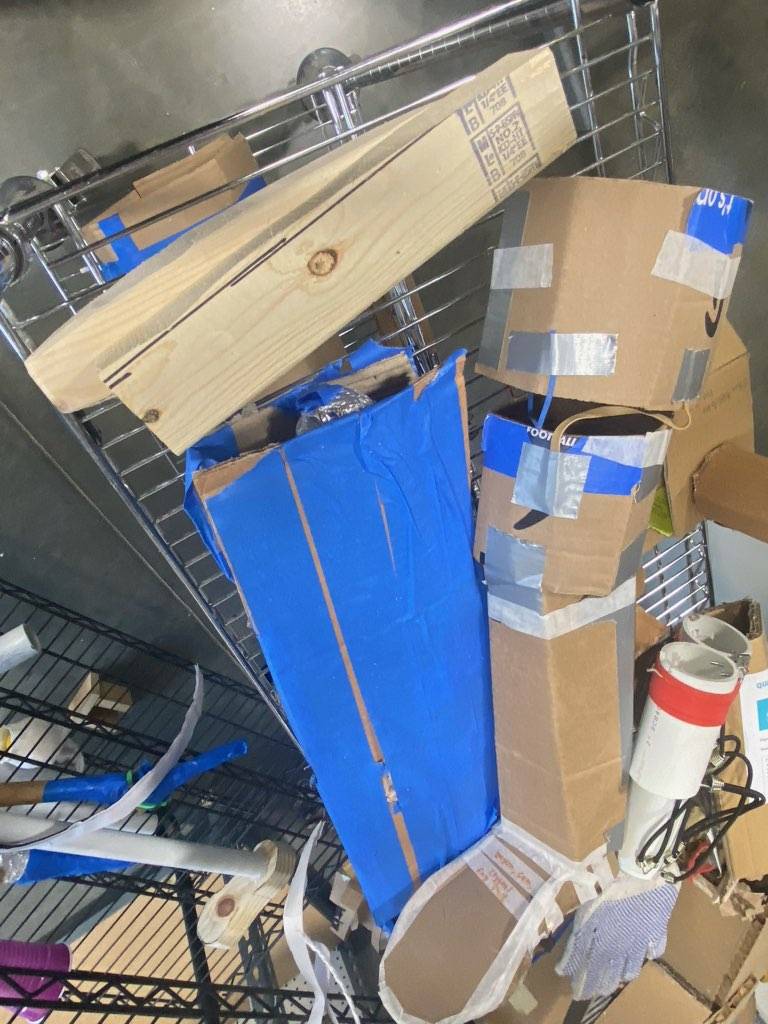
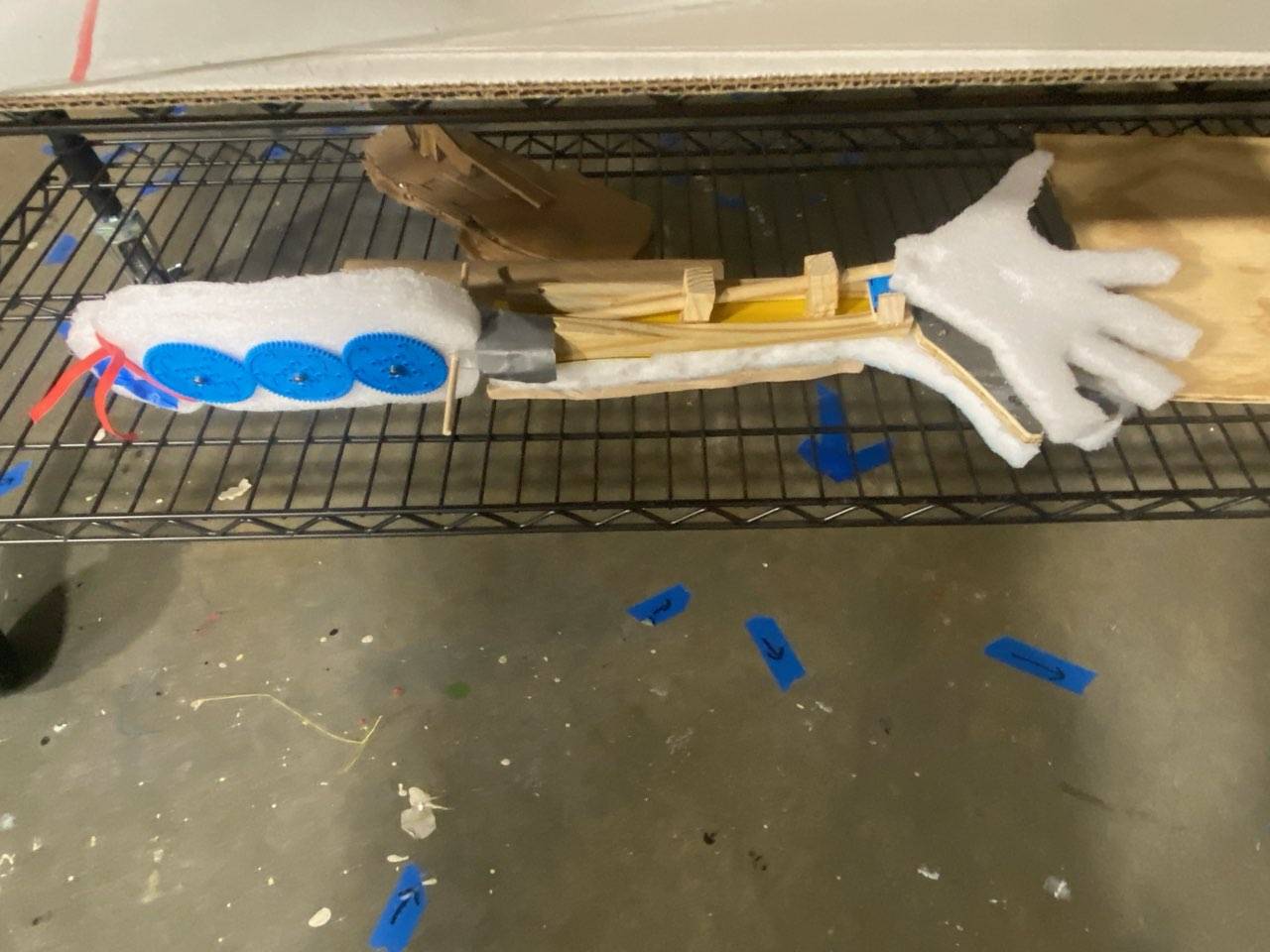
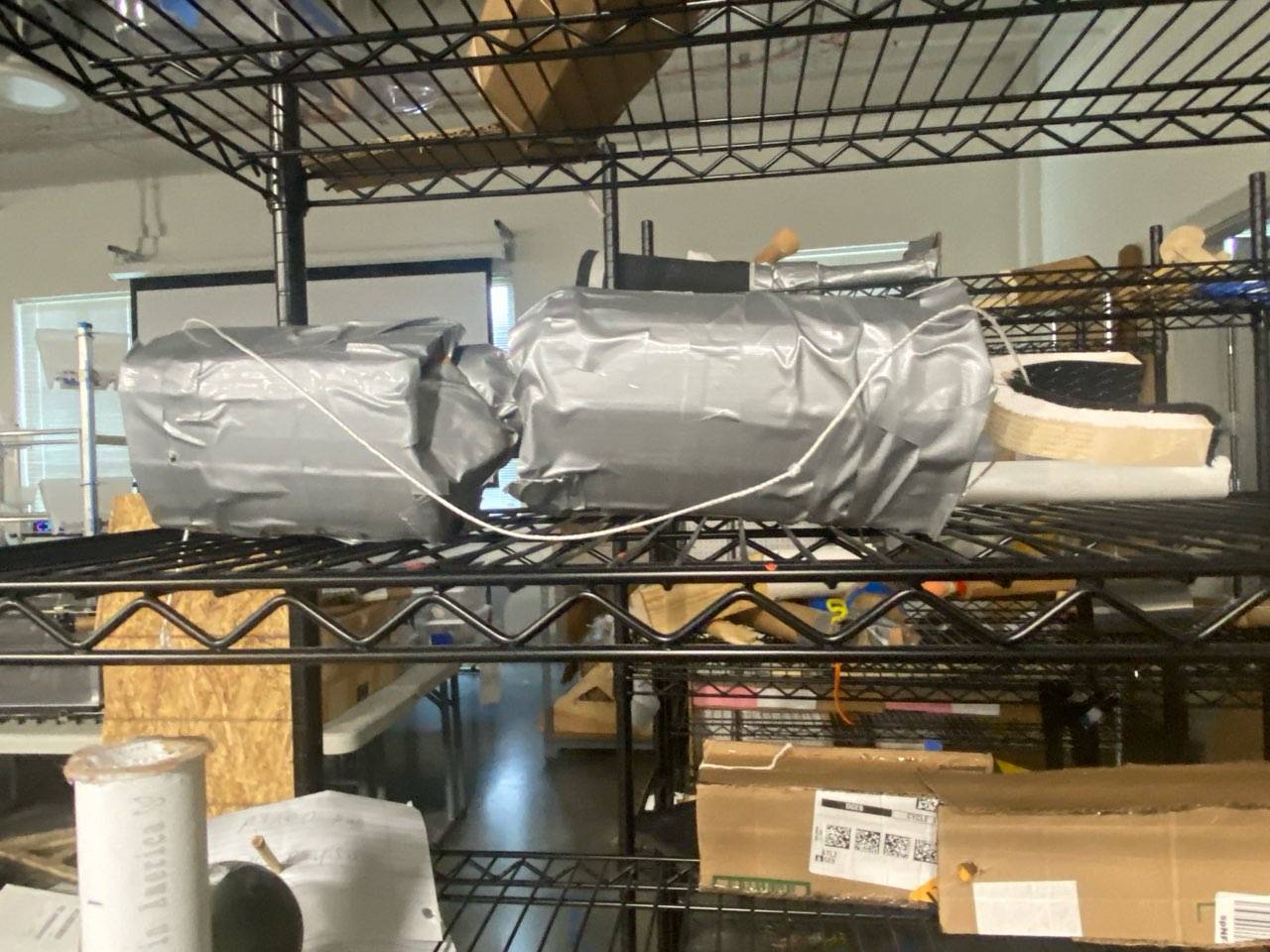
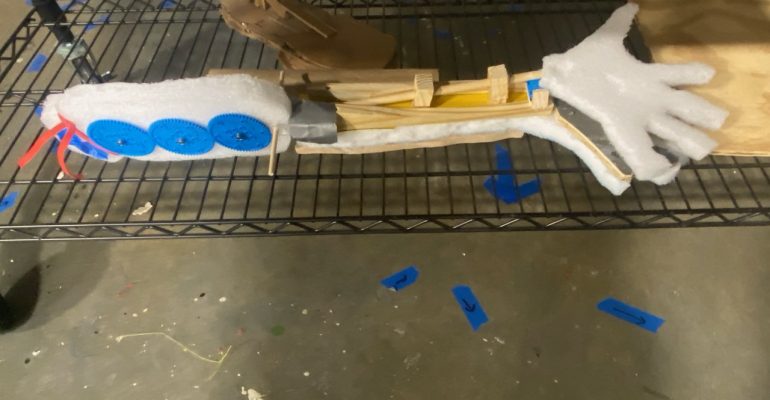
Last week, the freshmen at IA completed their third major in their GT Block class. This major, in comparison with previous majors, had students study about, design, and build a working prosthetic. This project included all three subjects taught in the class: Healthcare, IT, and Engineering, incorporated in different ways.
Three Weeks (Preparation)
This project took over the course of three weeks. Each week, students would spend it in a different pathway class. The healthcare week discussed the types of body parts, including types of muscle, bones, ligaments, and tendons, and their use. Engineering looked at the inner workings of prosthetics, which include motion, durability, comfort, adjustability, with added lessons surrounding isometrics and creating preliminary prototypes. The IT week looked into the elements of coding an app, such as dropdowns, changing screen, and working buttons.
As the last unit, this unit required students to work in groups of 2-3 people. These groups were randomly assigned, so the students had to learn how to communicate with all sorts of people and communicate effectively, while taking responsibility for their work. This skill is vital, as these fields involve collaborating with all sorts of people. Freshman Samantha Lowry emphasizes on this statement, “It was really hard learning as I went along about how to build a prosthetic, especially working with a team, but in the end, I learned a lot combining healthcare, engineering, and IT together.”
Final Project
After the first three weeks, students return to a final week of the unit, centered around applying the knowledge taken from each of the respective classes. In Healthcare, we saw this incorporated into the final project through the creation of a human anatomy drawing labeled with ligaments, bones, tendons, and muscles. In Engineering, this project revolved around the application of the unit in actually building the prosthetic, developed by the design, sketches, measurements, materials chosen, and prototypes built for the creation of the prosthetic. In IT, we took the information in Healthcare and Engineering to create an app that reflected the material in code.org. Another freshman, anonymous, says he felt that the application of the project, though rushed, made him get involved in the building process, something which he felt more confident about after the project.
In Comparison with Last Unit
Compared to the last project, the Biologically Inspired Design, the students had to take the reality of these pathways directly to how they would affect the user. They had to consider how the prosthetic would fit in with the given person, rather than what would work for convenience. This meant understanding the function of the human body, and how its parts work to create a system. Additionally, the models were created from durable material, as students were allowed to work with wood machines and 3D printing, PVC Pipes, and a variety of other materials to decide upon the project prototyping rather than just the cardboard available the first time around. Students learned more about the functionality in creating apps, building on top of their knowledge of how to design websites. However, in creating apps, they use block coding (written in JavaScript) rather than the HTML and CSS used in the website creation.
The Next Unit
GT Block’s next unit revolves around the Phoenix Project Week’s theme as well, also shared with the AP Seminar class: food insecurity and nutrition. As of this week, students will rotate between their classes in their groups to understand the various factors that can influence food insecurity throughout their three pathways, factors that will be elaborated further on in the weekly rotations.