Applications of Biotechnology students analyze GMOs
December 5, 2024 2024-12-05 12:46Applications of Biotechnology students analyze GMOs
By: Kaelyn Fu and Pratyusha Soni
IA’s Application of Biotechnology Class, the only such class in Fulton County, has begun to tackle the topic of Genetically Modified Organisms (GMO). As it turned out, GMO can play a large role in food insecurity. Mr. Kuhn asked of students to consider the food insecurities of nearby cities in Georgia: Macon and Albany. These cities are quite rural, so transportation and the cost of fuel for transportation was an issue that increased their food insecurity. Over project week, students considered multiple GMO plants, like corn and switchgrass, that could be processed into biofuels, which can replace fuels that are currently used in transportation, like petroleum and ethanol. These plants would be genetically modified to have an increased capacity for being processed into fuels. For example, GMO soybeans for biofuels would be modified for increased oil content. Students then created a short presentation slide on pros and cons of producing GMO plant biofuels, and whether they should be considered as replacements for current fuels. Students’ position on this varied, but some main points made included that biofuels can cost more than fuels currently used, which does not impact food security; there would be competition between biofuel and agriculture for land; there could be an increase in car usage, also increasing emissions; and the process for creating biofuels would create jobs and boost the economy.
Students then transitioned into a hands-on experiment to test common foods for the presence of GMOs—from tortillas to Cheetos, students ground up food samples into “slurries” and then amplified the plant-based DNA content and genetically modified DNA segments through PCR—Polymerase Chain Reaction. Next, student groups ran a gel electrophoresis—a process through which DNA bands travel along a horizontal agarose gel based on molecular weight due to electrical charges pulsing through the gel—on the food samples to identify whether they contained genetically modified plants such as GMO corn.
Finally, qPCR (quantitative PCR or Real-time PCR) techniques will allow students to see a comparison between the GMO content for each food item tested, ultimately culminating the Project Week Biotechnology experience (lab images below).
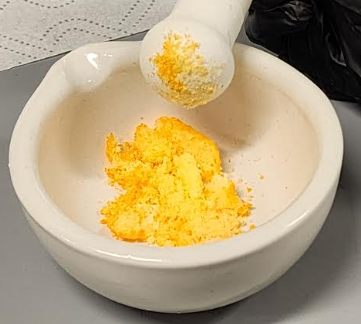
Figure 1: Turning food samples into slurries.
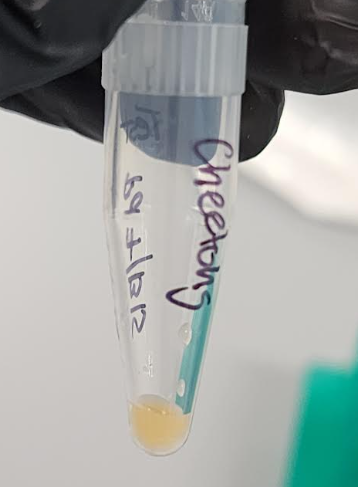
Figure 2: Final food sample tubes.