A-Maze-Ing Game Design
February 6, 2025 2025-11-17 1:38A-Maze-Ing Game Design
by: Zayden Orenstein
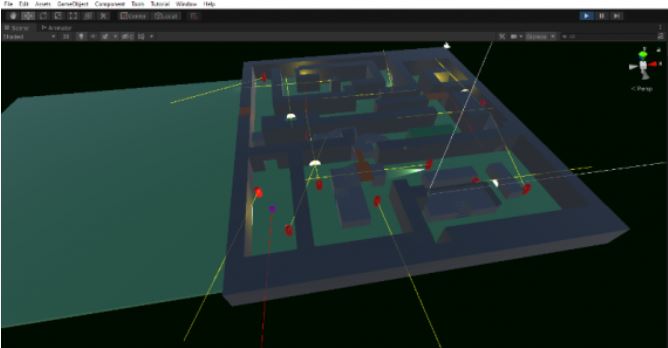
This semester of Game Design, a third-year IT course for 11th and 12th graders, kicked into stride with a project that eschews the complex physics system of Unity (the game-making platform used in the class) for a very different kind of project.
“This project,” explains Coach Heying, the Game Design teacher, “is a 3D maze game where everyone’s designing (almost like) a Pac-Man style 3D maze where there are enemies that are following set paths (or they could be chasing you, if you implement that), and you’re supposed to run around the maze and escape, and maybe collect things.”
“The purpose from an educational standpoint,” Coach Heying continues, “is to get students to be thinking about how to make games more engaging for the player, how to use NavMeshes [basic enemy AI that allows them to identify obstacles and follow basic paths], how to use raycasts [laser-like lines that allow enemies to “see” in front of them], and how level design informs how fun or boring a specific game is.”
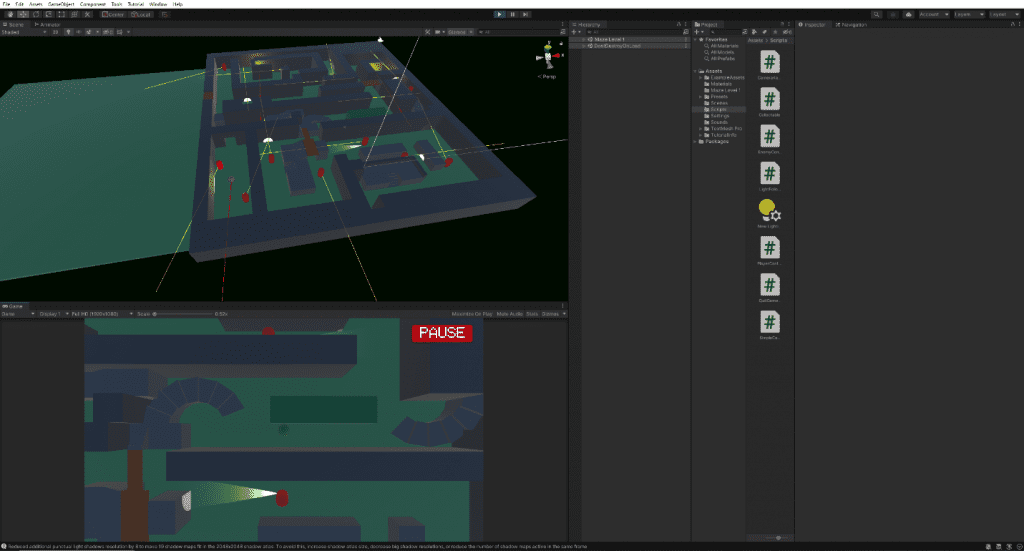
“So, [the project] focuses on more of the level design and… Also, just some of the physical mechanics of how… we do detection from a distance, and how do we do some basic enemy AI, and… the basics that… our students [need] to build their own videogames in the future.”
At the beginning of the project, students learned via in-class tutorials the basic programs needed for this project, which include a way for the player to move with the button controls, and a way for the enemy to follow a set path. By January 12th, students were expected to create a design concept for their maze.
Of course, this design was not set in stone, and students were free to change it as they wished in the next stage of the project, where they were assigned to construct this maze, with at least three enemies, player and enemy movement, the ability for enemies to detect the player, and pausing, quitting, and restarting actions. Of course, those were not the only components they needed for a good game; to achieve that, students needed to call on past knowledge from the course to add such things as camera movement. This component was due January 24th.
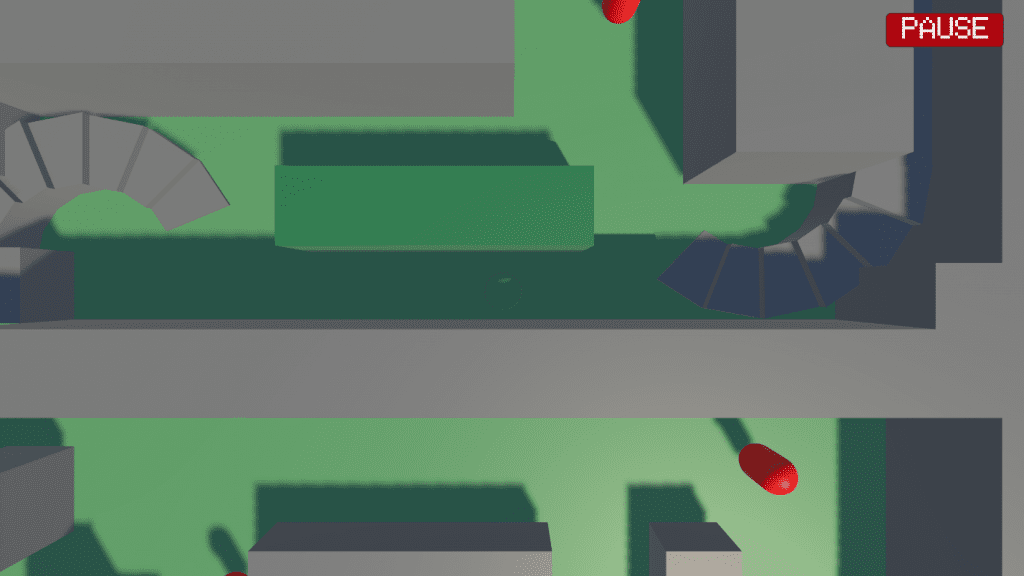
After this, students were let loose, provided with the requirement that they pick at least two customizations from a list of many possible ones, such as a jumping mechanic, secret collectable items, some way of showing the player the enemies’ range of sight, or lighting and imported asset packs to give the mazes a different mood. Players were also assigned to create various other screens for the title screen, as well as winning, losing, and pausing functions. This part of the project was due February 6th.