Labubus: The Bigger Picture
October 31, 2025 2025-11-02 8:30Labubus: The Bigger Picture
by: Annalisa Fletcher
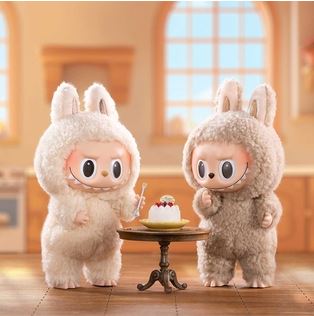
How exactly did a small art project from 2015 turn into the tourism ambassador of China? The huge phenomenon, none other than the Labubu, answers this question. Labubus, known for their devilish cuteness and furry skin, have managed to get their way into the hearts and wallets of millions of people. Despite starting out as a small art project in 2015, it really started to gain attention around 2023. However, beyond the adorable appearance, Labubus show a deeper meaning in consumerism and our trendchasing culture.
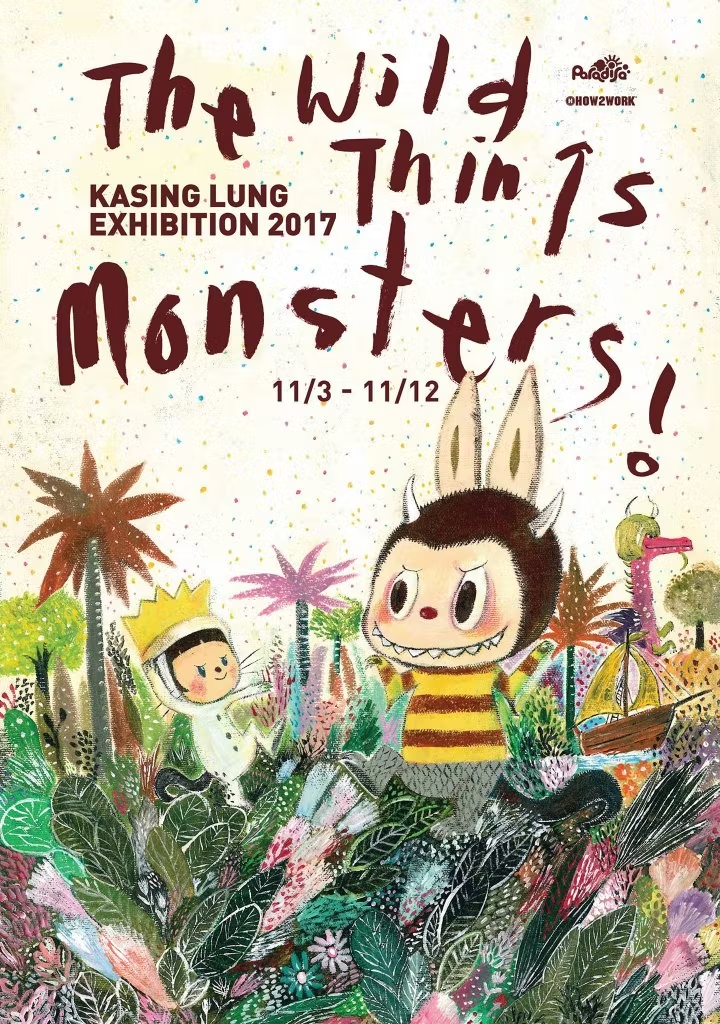
The creator, Kasing Lung, is a illustrator from Hong Kong and a toy designer who originally called his characters “The Monsters,” or “Little Monsters” often appearing in children books he illustrared. His inspiration came from Nordic mythology and creatures from the folklore he loved growing up in the Netherlands. His idea was to create something cute yet a little unsettling. His sketches often show mischievous expressions which made its way into his figures, making them unique compared to other collectible toys. When Pop Mart picked up his designs, they turned his small, personal art project into a massive global trend.
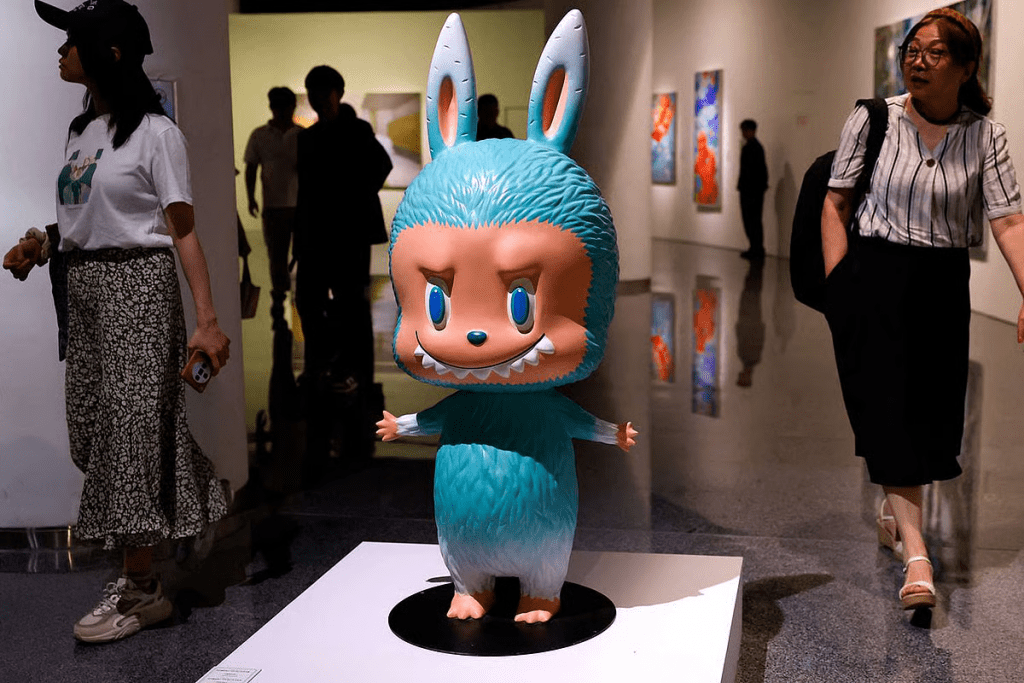
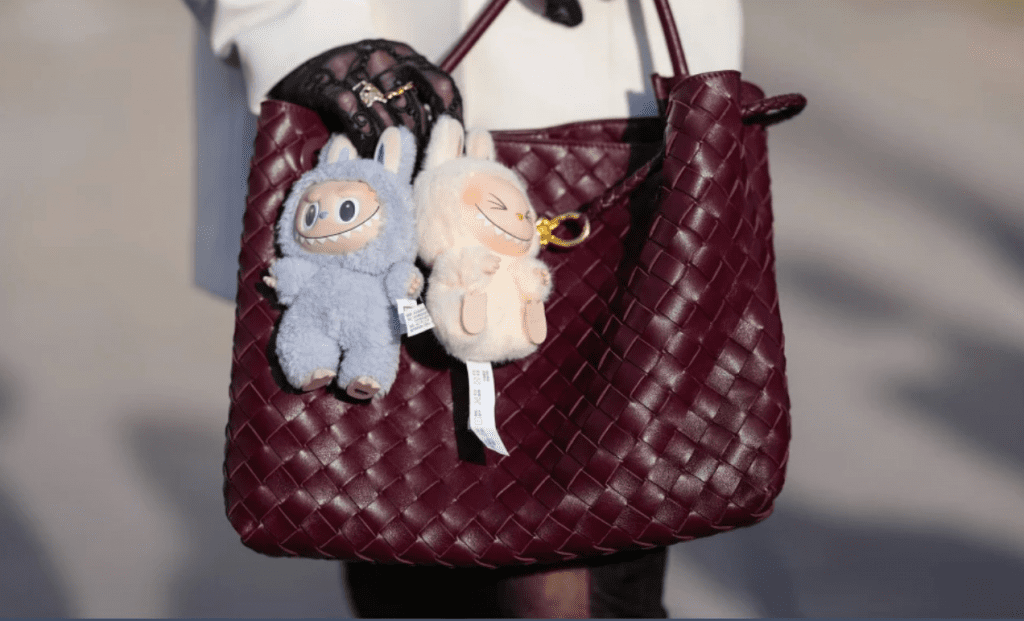
At first, the journey to where it is now began quietly, appearing in art exhibitions and designer toy fairs, but exploded by 2023 due to Pop Mart, a company that specializes in “blind box” collectibles. These mystery boxes hide which character you’ll get, creating a “I really hope I get this one when I open it” mentality. The unboxing wave hit social media, where people captured the suspense of them opening boxes hoping to reveal secret designs. Of course, with the help of celebrities, these collectibles continued to skyrocket to virality. Limited editions often sold out in seconds and pop-up stores appeared across Asia, Europe, and North America. One of the most expensive Labubus ever is a human-sized one that was sold at a Beijing auction for around $170,000. In 2024, Pop Mart’s revenue topped $1 billion, and most of it came from Labubus.
The lighthearted craze around Labubus actually says a lot about consumerism. Pop Mart’s blind box format mimics the excitement of gambling, with the suspense and rush of maybe getting a rare one. With prices usually ranging from $15 to $50+, many collectors buy unnecessary amounts of boxes, chasing after that one special figure. It’s an intentional design that fuels FOMO and keeps fans constantly spending. Many of these fans are teens and young adults, a group that drives trends on social media. However, there’s another side people don’t often think about: the impact all this has on the environment.
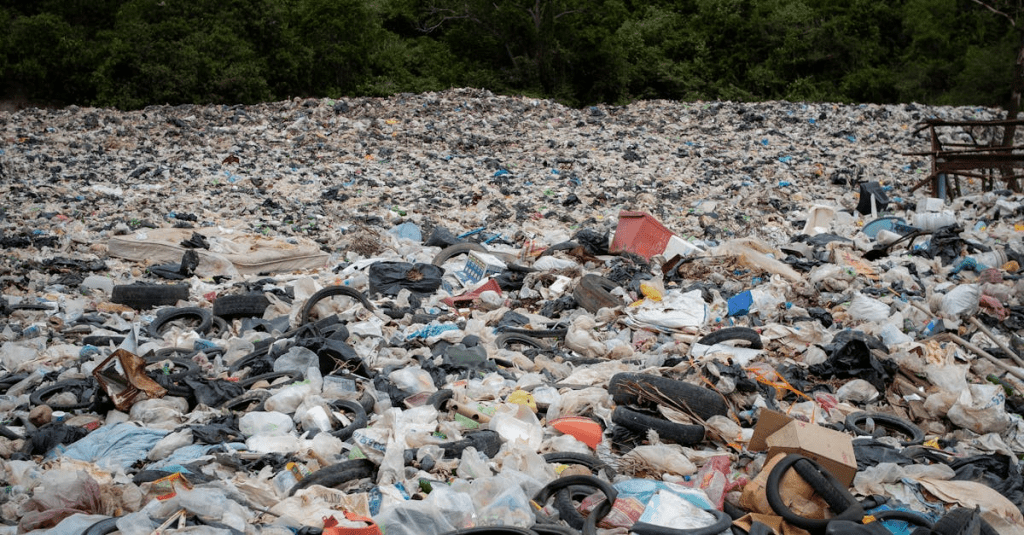
With millions of Labubus being made and shipped around the world, the environmental effects pile on. Each blind box includes layers of plastic and cardboard that are rarely recycled, and when people buy dozens trying to get the rare one, most of that packaging and even the figures end up in the trash. The figures themselves are made from plastic, which isn’t biodegradable and contributes to long-term waste. They are cute collectibles, but behind the scenes they add to our existing issues with pollution and overconsumption. The Labubu craze started as a meaningful art project, but it now reflects something much bigger about how our harmless trends affect the planet.