
Black Ice Is Lethal: How Georgia Keeps Roads Moving
November 7, 2025 2025-11-08 0:07Black Ice Is Lethal: How Georgia Keeps Roads Moving
By: Kai Payne
It’s freezing out. For the first time in several years, meteorologists are confident Georgia will see snow during the 2025–26 school year. Because snow is rare here, a practical question follows: how should we prepare—especially for the ice and frost that often come after it? This article looks at Georgia’s winter-response tactics and what communities and residents can do locally.
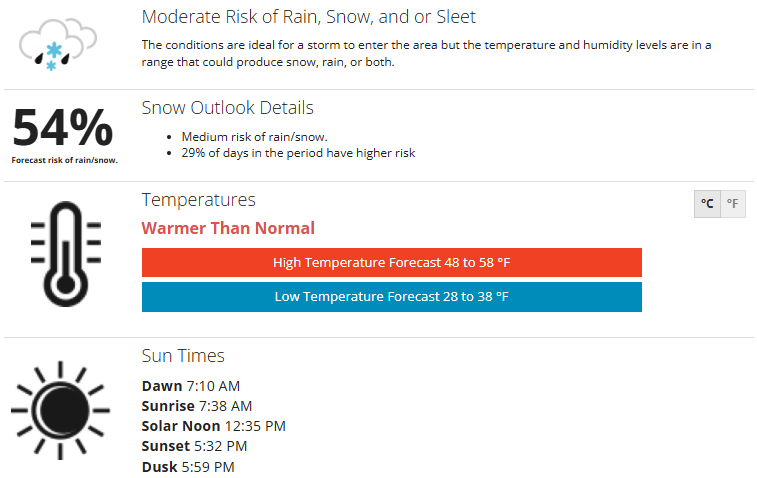
According to Snow Outlook’s “United States Ski Resorts” forecast, December 21, 2025 carries a 54% chance of snow, with temperatures around 28–58°F (about −2 to 14°C). Forecasts for December through February fall in a similar range, suggesting Georgia is likely to see at least one snow day during the 2025–26 winter season.
In Atlanta, the Georgia Emergency Management Agency (GEMA) serves as the state’s hub for emergency and event coordination. Similar to FEMA at the federal level, GEMA manages in-state emergencies and, when requested, helps support neighboring Southeastern states. The agency maintains contingency plans for a wide range of hazards. When snow is in the forecast, GEMA works with the Georgia Department of Transportation (GDOT) to coordinate the response—prioritizing critical routes, staging crews and equipment, and communicating with local governments.
In a press release titled “Georgia DOT Winter Weather Preparedness” (December 16, 2013), GDOT outlined its snow-response approach, including staffing plans, equipment deployments, and other key operational details. In a statement provided by GEMA and a Fulton County dispatcher, underscoring the coordinated role GEMA and GDOT play during winter events.
(Image Credit: Kai Payne, Junior, December 04 2024)
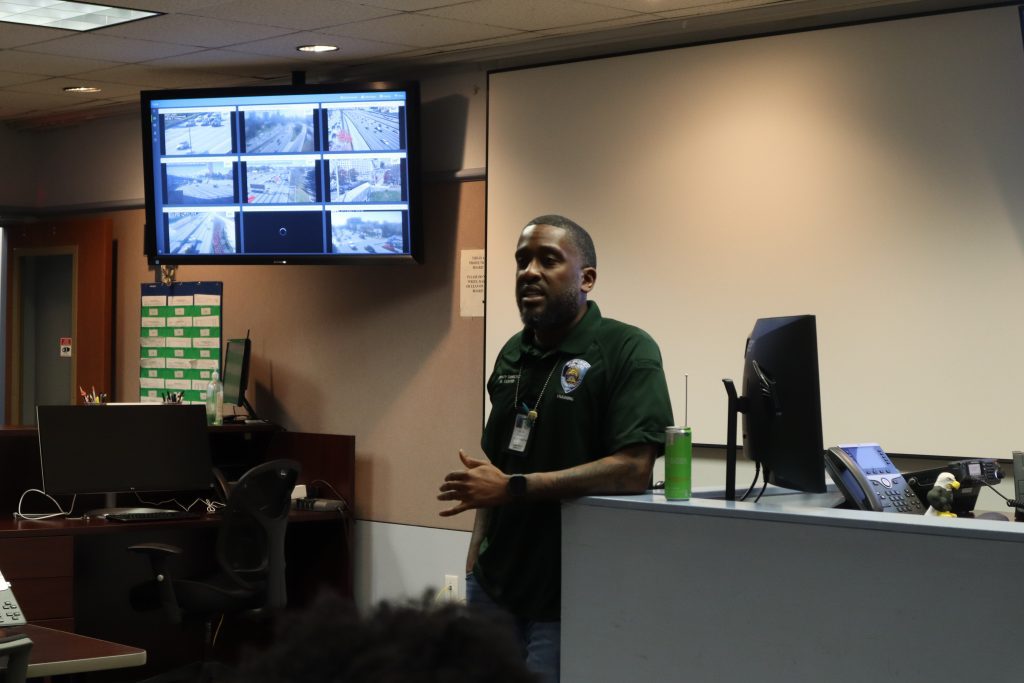
“We operate several temperature and road sensors across miles of highways and interstates when road temperature is seen dropping to undesirable levels we dispatch a team to inspect the road way to ensure roads are not icing.”
Armed with this data, GDOT stages maintenance crews and equipment and dispatches Highway Emergency Response Operators (HEROs) to assist with lane closures and traffic control. Maintenance teams pretreat priority corridors and spread abrasive/de-icing material to keep surfaces stable and drivable longer. In a 2013 press release, GDOT explained:
- The most common de-icing mixture is a 3:1 ratio of small ‘89 stone’ and sodium chloride (salt). It is
affective in breaking up ice and snow until temperatures drop below 25 degrees.- If temperatures dip below 25 degrees, calcium chloride is added to the stone/salt mixture
Here’s a common misconception: some say Georgia has “fewer than 20” snow-removal units statewide. Which is not accurate. GDOT’s 2013 figures stated in their press release show a far larger winter-operations footprint:
Statewide, we have…
Approximately 1,912 employees on call covering 42,500 lane miles
Approximately 36,586 tons of gravel
26,203 tons of rock salt.
Approximately 554 pieces of snow removal equipmentand 11 different dispensing facilities
As of 2025, the Georgia Department of Transportation reports it operates about 401 snow-removal units—each consisting of a plow, spreader, and dump truck—plus 56 F-250 pickup trucks outfitted with plows and spreaders. GDOT concentrates these resources on interstates, state routes, and other critical corridors. As a result, many neighborhoods and back roads may not be cleared before the thaw. In those areas, residents often see privately owned pickups—think an F-150 with a small plow—or farm equipment help clear local streets quickly and efficiently.
So why can even a small snowfall be so disruptive in Georgia? The state’s elevation ranges from near sea level to the low mountains, but most of Georgia sits around 400 feet above sea level—too low and too warm, on average, for reliable snow. (For perspective, the Empire State Building is roughly three times that height.) Tucked into the Southeast, Georgia often sits on the border between cold, dry air and warm, moist Gulf air. That means winter storms frequently arrive with temperatures hovering around freezing, causing precipitation to flip between rain, sleet, and snow—prime conditions for ice and refreeze. As our Earth Systems instructor, Mr. Weigand, our Earth Systems instructor, explains:
In order for it to snow in Georgia Cold Dry artic winds from Canadian have to push really hard to get all the way down to Georgia now this drops the temperature down to the required amounts but its still too dry for it to snow, since it requires rain to snow. So the hot and wet air from the South of Florida has to push up and meet the artic winds from the North and mix with it in a way so it results in perfect conditions to snow.
Because snowfall here requires “just-right” conditions, it’s rare—and when it does arrive, it rarely sticks. Georgia’s relatively warm ground and dark asphalt, which holds daytime heat, often melt new snow on contact. Snow also acts as a light insulator, so the pavement beneath can stay just warm enough to turn flakes into a thin film of water. When temperatures then drop—especially overnight or on bridges and shaded stretches—that film refreezes into a clear glaze known as black ice. It’s hard to see and offers almost no traction, making loss of control likely at highway speeds.
Lucky GDOT has a plan! When it snows they are quick to shutdown the roads and get out there and begin removal and cleanup efforts, however some people may get caught out in the road during these removal efforts, if you ever see a truck in front of you remember the Georgia Move over Law!
Applicable Charges: $500 Fine and 3 Points
Move over: If it is safe to do so, drivers must move over one lane into a lane not adjacent to the stationary vehicle.
Slow down: If a lane change is not possible, safe, or legal, drivers must slow down to a reasonable speed, which is below the posted speed limit, and be prepared to stop.
Applicable vehicles: This law applies to stationary emergency vehicles (law enforcement, fire, EMS), tow trucks, highway maintenance vehicles, and utility service vehicles displaying flashing lights.
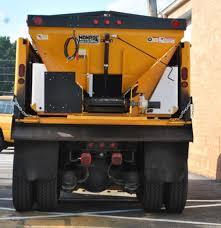
GDOT and GEMA work together to keep the public safe during snow and frost. Follow posted signs and lane closures, slow down near crews, and do not pass active plows or spreaders on the freeway unless you’re explicitly directed to do so—conditions ahead may be untreated. To help drivers recognize them, the next section shows common GDOT winter-operations vehicles.
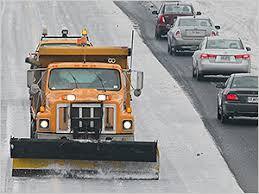
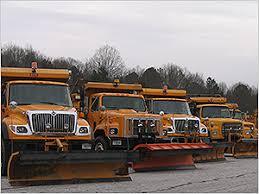
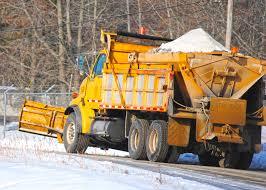
Images courtesy of Google Images
situs toto