Seasonal Slump: It’s Not Just You
November 14, 2025 2025-11-14 10:49Seasonal Slump: It’s Not Just You
By: Srishti Sawant
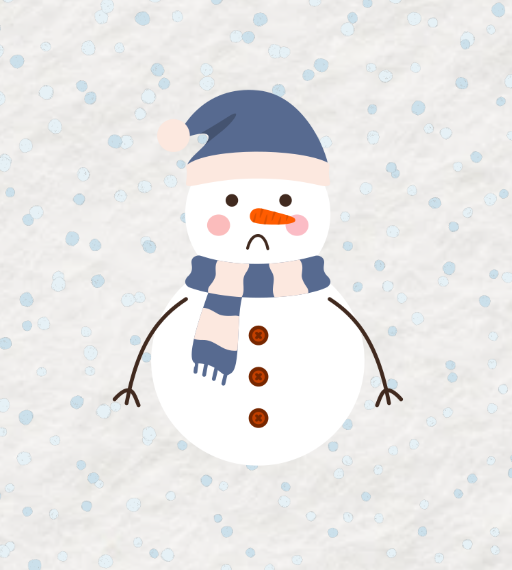
As the days get shorter and the temperatures drop, many students have begun to notice shifts in their energy and mood.
Tanvi Nalam [11] explained,
“It’s dark outside, and that makes you sleepy. And the cold just makes you want to take a bath and stay in.”
This feeling isn’t uncommon. The colder, darker months can throw off the body’s internal clock, making it harder to stay alert during the day and sleep well at night. Students also produce less vitamin D, a nutrient linked to energy levels and mood regulation, as a result of less sunlight exposure. As a result, motivation drops, concentration becomes harder, and even simple tasks can start to feel overwhelming.
Teachers and students have noticed this pattern of nature reflecting our moods, a concept known as pathetic fallacy (human feelings in response to inanimate objects). While winter might slow things down, experts recommend getting outside for even a few minutes of sunlight each day, keeping a consistent sleep schedule, and staying active to help combat the effects of seasonal depression.

References
Buckloh, L. (2019). Seasonal Affective Disorder (for Teens) – Nemours KidsHealth. Kidshealth.org. https://kidshealth.org/en/teens/sad.html
Cleveland Clinic. (2022, April 10). Seasonal Depression (SAD) | Cleveland Clinic. Cleveland Clinic. https://my.clevelandclinic.org/health/diseases/9293-seasonal-depression
National Institute of Mental Health. (2023). Seasonal Affective Disorder. Www.nimh.nih.gov; National Institute of Mental Health. https://www.nimh.nih.gov/health/publications/seasonal-affective-disorder