
Alarms & How They Affect Your Wake-Up
November 21, 2025 2025-11-30 7:38Alarms & How They Affect Your Wake-Up
By: Annalisa Fletcher
That grogginess you feel when you wake up: ever wonder why it happens? No matter how many extra hours you dedicate to sleep, hoping it will help you feel more refreshed in the morning, it still lingers. But what if something as simple as the way you wake up, specifically, the alarm ringtone you choose, could help reduce that lethargic feeling?
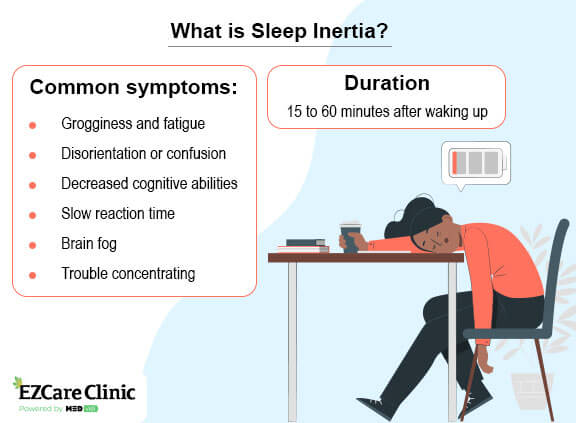
This feeling formally connects to a scientific concept called sleep inertia, the period of brain fog and reduced alertness that starts right after waking up. Not only is it that period of feeling sleepy, but it can also affect our memory, focus, and coordination. For us students, this can show up as struggling to pay attention in 1st period or just generally feeling mentally “behind” for the first hour of the day. Many sleep researchers point out that sleep inertia can last anywhere from 15 minutes to an hour, sometimes longer, depending on sleep quality and how abruptly you’re woken up.
This is exactly where your alarm comes in. Many students rely on the default alarm tone on their phones to wake them up, even though it’s harsh and unpleasant. According to experts, waking up to a loud, sharp alarm can snap you awake quickly, but it can also spike stress levels right away, making you feel alarmed rather than refreshed. On the other hand, alarms that are too calm or too soothing can keep you stuck in that groggy state, and most likely will not wake you up at all.
If you’re using your phone, experts recommend choosing alarms with melodic tones or gradual volume increases to help ease you out of sleep more naturally. According to the Sleep Foundation, even setting your alarm tone to an energetic, catchy one can be effective too. These types of alarms help reduce the intensity of sleep inertia by giving your brain a smoother transition from sleep to wakefulness.
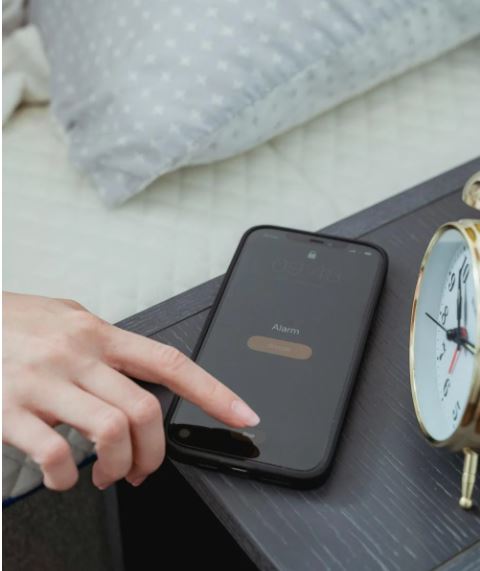
However, investing in a physical alarm instead of relying on a phone seems to be the best choice according to experts. Phones make it so easy to hit snooze repeatedly, get distracted and check notifications, or get sucked into scrolling which worsen that morning grogginess and interferes with your routine. Pricier physical alarms tend to have all the beneficial features above and even have a sunrise feature that wakes you with gradually brightening light to ease you into alertness. Many experts recommend these kinds of alarms because they can significantly reduce morning grogginess.

Poorvi Roopesh [11] also raised an interesting point: does using a more “alerting” or even somewhat “traumatizing” alarm help you get up faster? Proving the scientific theory explained before, many students noted using their phone’s harsh default alarm tone rather than selecting a specific sound. Many also noted that they typically feel tired or sluggish when they wake up, and most assumed this grogginess was simply normal for them.
Choosing the right alarm might seem like a miniscule detail, but it plays a bigger role than most people realize. Even though it’s not guaranteed, having the right alarm can help us start the morning in a clearer, more alert state.
Resources Used:
Tips to Wake Up Easier | Sleep Foundation
14 Best Alarm Clocks of 2025 for a Smarter, Gentler Wake-Up Call | GQ
Best Alarm Sounds: Can They Reduce Sleep Inertia?
How To Get Rid of Sleep Inertia
Sleep Inertia: How to Combat Morning Grogginess
Sleep Inertia and the Snooze Button: The Science Behind Morning Grogginess
toto togel link gacor bento4d slot gacor hari ini situs togel toto slot