Recycling — Is It Worth It?
November 21, 2025 2025-11-21 11:29Recycling — Is It Worth It?
By: Srishti Sawant
For years, recycling has been framed as one of the simplest ways to help the environment. You just toss your bottles and paper into a blue bin and feel good about it. However, as conversations around sustainability grow more complex, many individuals are starting to ask a bigger question: Does recycling actually make a difference?
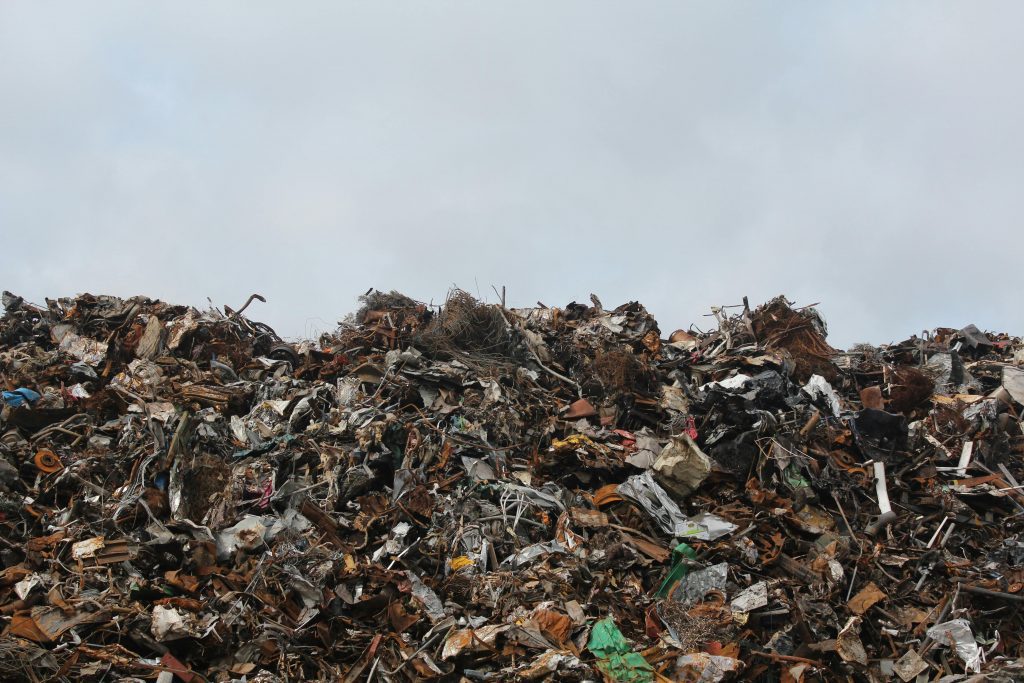
According to the Environmental Protection Agency (EPA), recycling plays an important role in reducing waste, conserving natural resources, and lowering greenhouse gas emissions. In 2018 alone, the United States generated 292.4 million tons of trash, a majority of which ended up in landfills (EPA, n.d.). Recycling helps reduce this burden by diverting materials from landfills and decreasing the need to extract new raw materials like timber and minerals. In fact, recycling and composting saved over 193 million metric tons (about removing 42 million cars from roads for a year) of carbon dioxide equivalent in 2018 (EPA, n.d.).
Students at IA share mixed perspectives on the issue.
Senior Shania Correa [12] noted,
“I think it’s important to always take the opportunity to recycle — especially with simple things like water bottles.”
Others, however, believe the picture isn’t so straightforward. Jayden Hall [12] explained that while recycling matters because “we only have a finite amount of materials.” Referencing the fact that today’s recycling system is far from perfect, Jayden continued to explain that
“In an ideal world, recycling is great,” he said, “but it has become more of a marketing tactic”
Experts agree that the recycling system faces serious challenges. CNBC’s sustainability report emphasizes several problems, such as low oil prices (which make producing new plastic cheaper than using recycled plastics) and lightweight packaging that is harder to recycle, have disrupted global recycling markets (Rosenbaum, 2021). Tom Szaky, CEO of TerraCycle, explains that the biggest barrier is simply economics:
“Just because you recycle an item doesn’t mean it will be recycled in the end.”
Many items placed in recycling bins are still discarded because waste companies cannot process them profitably (Rosenbaum, 2021).
So where does that leave us? The EPA still emphasizes the waste-management principle: reduce first, reuse second, recycle last (EPA, n.d.). Recycling is valuable, but it was never meant to be the main solution—only part of it. Reducing consumption and choosing reusable products are far more impactful.
Still, sustainability starts with small habits, and recycling remains an important first step toward building environmental awareness. As Szaky puts it, recycling often leads people to shift their mindset in bigger ways, whether that means consuming less, choosing reusable options, or rethinking personal responsibility (Rosenbaum, 2021).
At the end of the day, recycling isn’t perfect, but doing nothing is worse. And as IA students continue to learn, question, and push for better solutions, one thing is clear: caring about the planet never goes out of style.
References
EPA. (n.d.). Recycling Basics and Benefits. US EPA. https://www.epa.gov/recycle/recycling-basics-and-benefits
EPA. (n.d.). National Overview: Facts and figures on materials, wastes and recycling. US EPA. https://www.epa.gov/facts-and-figures-about-materials-waste-and-recycling/national-overview-facts-and-figures-materials
Rosenbaum, E. (2021, June 16). Is recycling a waste? Here’s the answer from a plastics expert before you ditch the effort. CNBC. https://www.cnbc.com/2021/05/22/is-recycling-a-waste-heres-the-answer-from-a-plastics-expert.html