
Are Winter Holidays Just Cash Grabs?
December 17, 2025 2026-01-29 14:06Are Winter Holidays Just Cash Grabs?

By Siddarth Suresh
As winter arrives, holidays that are meant to focus on togetherness and reflection are often shaped by consumer culture instead. Decorations appear in stores earlier every year, advertisements become impossible to ignore, and celebrations are increasingly tied to spending. While these traditions still hold meaning for many families, commercialization has changed how the winter holidays are experienced, especially in Western society.

Christmas is one of the clearest examples of this shift. What was once centered on faith, family, and community has become closely associated with gifts, sales, and expectations around spending. For many people, the season brings financial pressure and stress rather than rest, as celebration is often measured by what can be bought or given. As IA junior Abigail Misganaw (11) noted, “While my family’s Christmas is full of connection, I’ve noticed the increasing pressure for people around me to purchase extravagant Christmas gifts.”
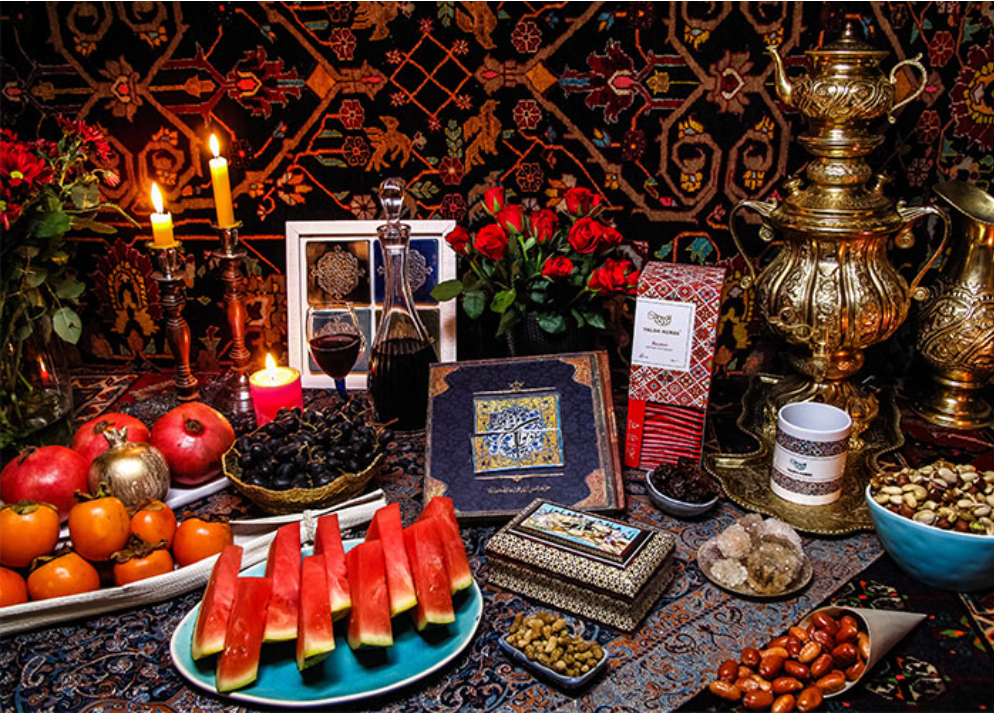
Not all winter holidays follow this pattern. Yalda Night, a traditional Iranian celebration marking the longest night of the year, remains largely non-commercial. Families gather to read poetry, share simple foods, and spend time together, with little emphasis on buying or advertising. The focus stays on connection and tradition rather than material exchange. For example, as Mr. Robinson reflected, “My wife and I eat pomegranate and make a campfire for the holiday, so it’s a really nice way for us to connect with her culture.”
Looking at these holidays side by side shows how commercialization can shape the way traditions are experienced. While consumer culture has become a major part of some celebrations, it is not the only way to mark the season. Holidays like Yalda Night offer a reminder that meaning can come from shared moments rather than spending, encouraging a more thoughtful approach to how winter traditions are celebrated.
