
Are We Too Grown for Anime?: The Impact of Anime on Gen Z Attitudes
January 30, 2026 2026-01-30 14:03Are We Too Grown for Anime?: The Impact of Anime on Gen Z Attitudes
By Siddarth Suresh
Mass media has always shaped youth culture by giving young people shared stories through which they understand the world around them. In the mid-20th century, television sitcoms modeled family structure and social norms, while later decades used music videos and films to influence fashion, rebellion, and identity. Today, Gen Z consumes media in a more global and fragmented way, and anime has become one of the most influential storytelling forms in that landscape. Recent studies show that anime has grown into a major cultural force among young people, with over half of Gen Z identifying as anime fans, and many reporting that anime plays a meaningful role in their lives and outlook on life. Its long-form narratives and emotional sincerity allow young viewers to engage with complex ideas rather than just consume surface-level entertainment.
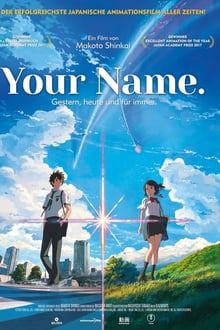
Makoto Shinkai’s Your Name stands out as the most commercially successful and culturally impactful example of anime influencing Gen Z, both in Japan and internationally. The film was inspired in part by the devastating 2011 Japanese Tohoku earthquake and tsunami, which shaped how Shinkai portrayed loss and destruction through the fictional disaster that wipes out the town of Itomori. Instead of focusing on the spectacle of the disaster, the story follows Mitsuha, a teenage girl whose entire community is erased, and Taki, a boy living in Tokyo who only understands the scale of the tragedy after it has already happened. This distance reflects how many young people experience real disasters through collective memory and social media rather than firsthand experience. As IA sophomore Melek D. (10) noted, “Watching Your Name helped me understand the tragedies of the COVID-19 pandemic. The effects of the disaster in the movie as well as in real-life are so multidimensional and deeply impact so many parts of our society.” Similarly, for many other Gen Z viewers, Your Name presents catastrophe as something that permanently alters young lives, emphasizing grief and the importance of remembering what was lost.
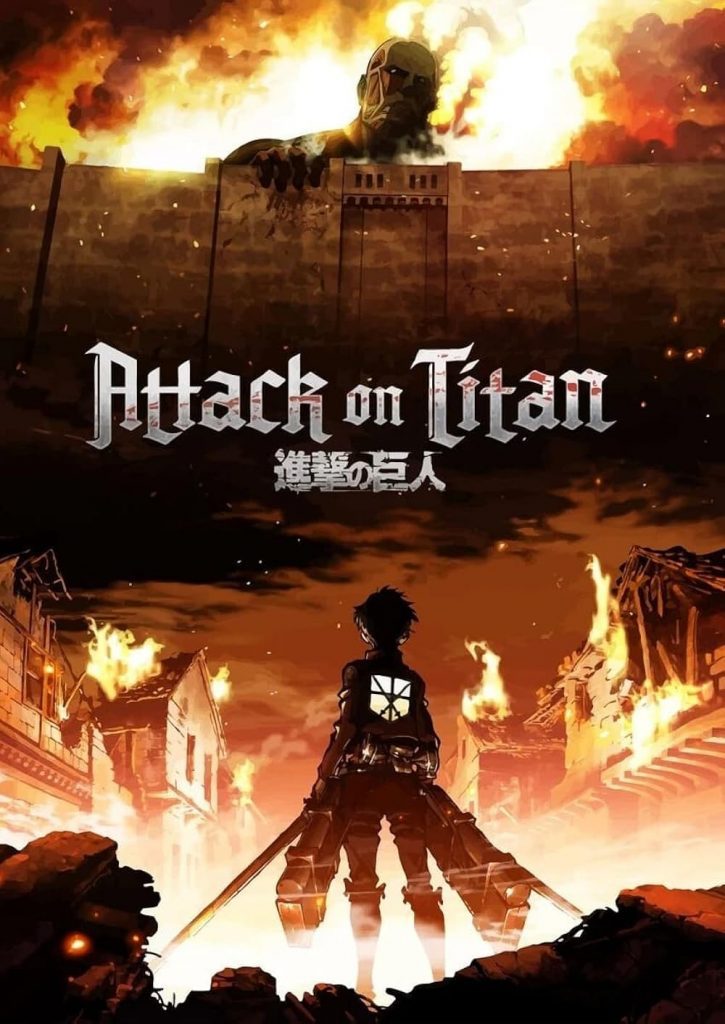
Fantasy anime like Attack on Titan and Naruto influence Gen Z in a different way by placing young characters into violent and morally complicated worlds. In Attack on Titan, children are forced into military roles, and the series constantly shows how fear and nationalism can be used to justify cruelty. The main character Eren Yeager’s shift from an angry child seeking revenge to a deeply conflicted figure challenges the idea that heroes are always morally right. According to an IA senior who wishes to remain anonymous, “Watching Attack on Titan really helped me understand how vulnerable voices were able to collectively stand up against system-wide oppression.” The anime Naruto, while more hopeful, also focuses on exclusion and trauma, showing how Naruto’s isolation shapes his desire to be acknowledged and accepted. Together, these series encourage Gen Z viewers to question authority, sympathize with those of different backgrounds, and recognize how trauma can influence people’s choices.
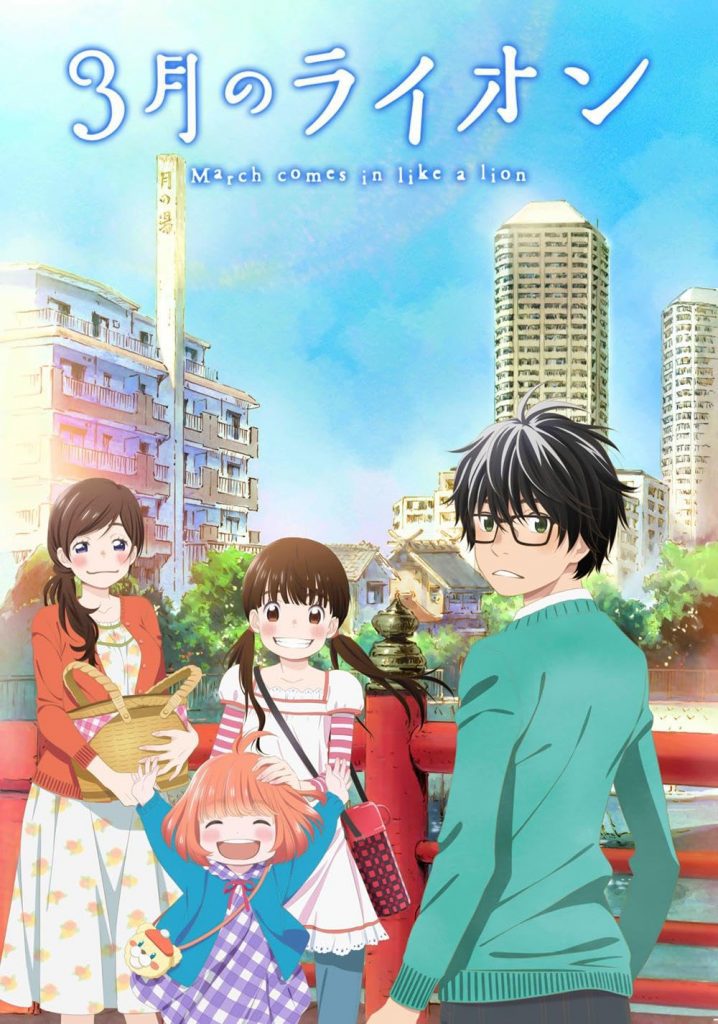
Slice-of-life anime offers another kind of influence by focusing on everyday emotional struggles instead of large-scale conflict. Series like March Comes in Like a Lion portray adolescence as quietly difficult, even when nothing dramatic is happening. The protagonist Rei Kiriyama’s loneliness, depression, and slow healing are shown through ordinary moments rather than major plot twists. This kind of storytelling deeply resonates with Gen Z, a generation that is more open about mental health and emotional burnout. By showing that growth takes time and support, slice-of-life anime challenges the idea that success or happiness should come quickly and promotes the idea of cultivating growth over time.
In conclusion, anime influences Gen Z attitudes not because it is escapist, but because it treats young people’s experiences as meaningful and consequential. Your Name reshapes how disasters are understood by focusing on memory and loss, fantasy anime challenges simplistic views of power and heroism, and slice-of-life series validate emotional struggle as part of everyday life. Together, these genres show why anime has become a defining cultural force for Gen Z, offering stories that feel emotionally honest, ethically complex, and deeply human.
