Learning by Doing: APES Students Model Real World Water Pollution
February 20, 2026 2026-02-23 6:55Learning by Doing: APES Students Model Real World Water Pollution
By Srishti Sawant and Siddarth Suresh
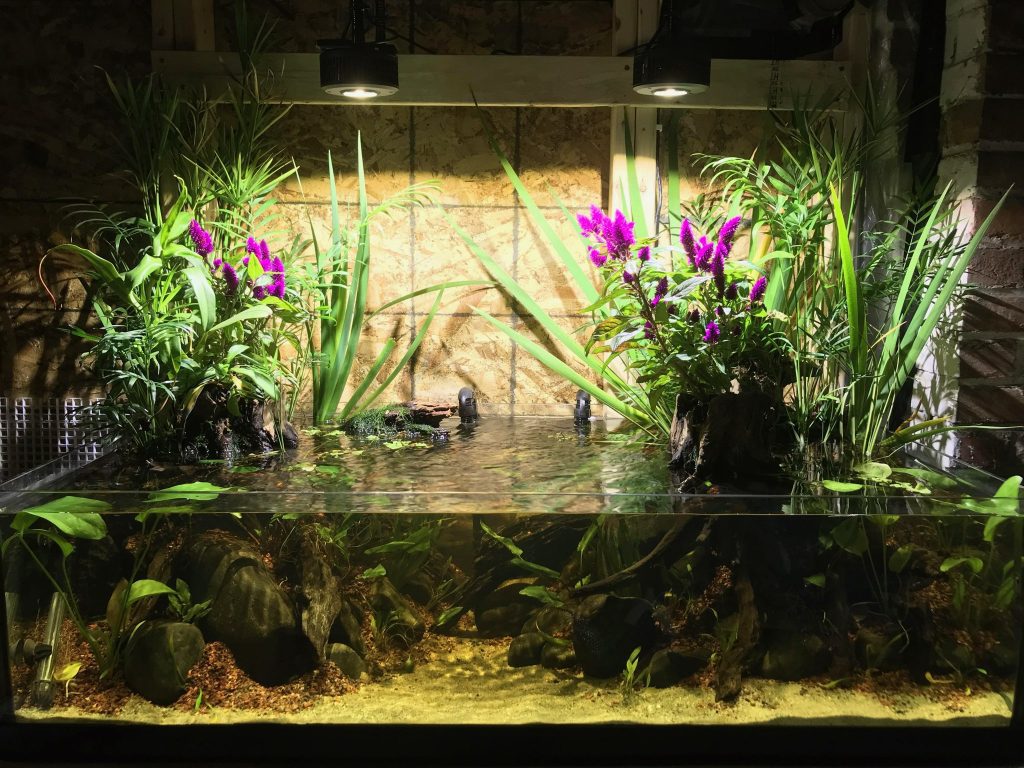
In AP Environmental Science (APES), education and action go hand in hand. In Ms. Taha’s class, students are taking on their first water-design project-based learning experience. This lab focuses on a real-world issue: how to reduce excess chemical leakage into aquatic environments. Instead of only reading about ecosystems, students are building their own models. Every part of the project is student-designed, from testing and adjusting the water composition to choosing the right flora and fauna. Through research, collaboration, and hands-on experimentation, Ms. Taha’s class is learning what it takes to protect aquatic environments in a practical and meaningful way.
APES teacher Ms. Taha explains,
Environmental scientists do not just run experiments. They document evidence, describe environmental harm, and recommend action. Modeling after real environmental agency reports also provides a layer of relevant, transferable skills.”
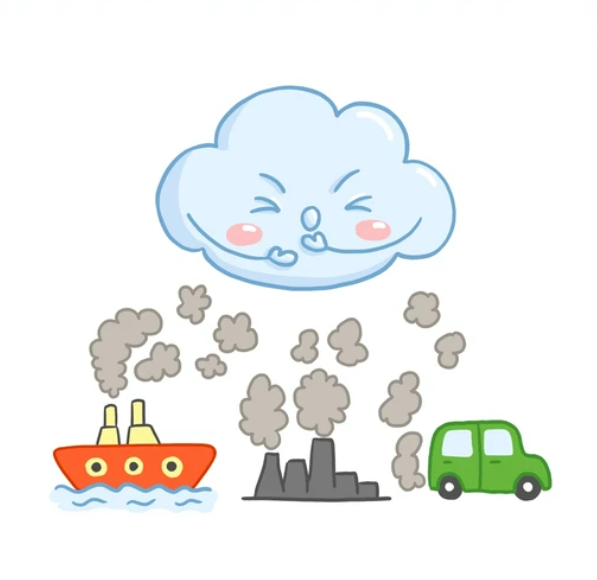
Students begin by tracing a single pollution pathway from land and air into water, examining how issues like acid deposition or fertilizer runoff change water quality and impact aquatic life. In groups, they design connected terrestrial and aquatic biomes and map how pollutants move through watersheds and ecosystems. The hands-on portion requires students to build and monitor mini aquariums where they test one measurable water quality variable such as pH, nutrient levels, or temperature and observe how it affects organism health. They are also responsible for maintaining a balanced and ethical ecosystem while preparing a formal case file for the TEPA, modeled after real environmental agency reports.
APES student Priti Patel [12] notes,
“This PBL serves as a really cool visual model for the environmental processes that happen in the real world.”
By combining experimentation with real-world reporting, the project highlights the connection between science and responsibility. Students are not only learning how pollution impacts aquatic systems, but also how to investigate environmental problems and propose realistic solutions. Through this experience, environmental science becomes active, applied, and deeply connected to the world beyond the classroom.
slot resmi rtp slot situs slot situs bento4d situs gacor