
Old & “New” Recipes
February 27, 2026 2026-03-04 8:01Old & “New” Recipes
By Annalisa Fletcher
Scroll through TikTok or Instagram for five minutes and something that might catch your eye is a “new” viral soup, a “lazy girl” dinner, or someone rebranding a centuries-old dish with a catchy name. But how new are these recipes really? Often, these trendy foods are meals that cultures have relied on for generations whether it be for necessity, survival, or limited resources. A dish once created from hardships suddenly becomes viral, stripped of context, and presented as an influencer’s original idea. Therefore the harmless appreciation of a food quickly turns into appropriation.
Bella Ncho [10] explained, “Influencers will take something that already has a name and change it to something more playful or trendy, without looking into the history behind it. When they switch the name, they take away the culture.” Renaming may seem harmless, but names carry history. According to Spoon University’s article on the fine line between culinary appropriation and appreciation, appreciation involves learning about a dish’s origins and giving credit to the culture it comes from. Appropriation, on the other hand, often happens when someone profits from or rebrands a cultural staple without acknowledging its roots. Kinsey Long writes, “What everyone should always consider is that food is a part of people’s identities and should be treated with respect…..You can definitely recreate other people’s cultural recipes, but don’t claim it as your own for money. Don’t appropriate food, appreciate it.” Nana Yaa Otchere-Gymera [10] also pointed out how easily this fine line can be crossed. She stated, “It’s the same with food. Courtney Cook gives credit to the cultures her recipes come from, but then people will say, ‘Let’s make Courtney Cook’s dumplings,’ like dumplings haven’t been around for centuries.” When foods that have existed for hundreds, even thousands of years are renamed after influencers, it can erase the communities that preserved them. The issue isn’t sharing food across cultures. In fact, food has always traveled and evolved. The problem arises when history is ignored and credit disappears. “I feel like people are bad at appreciating culture instead of appropriating it,” Otchere-Gymera added. “When you rename and simplify things, it takes away from their importance and can make people forget the feelings and history behind them.”
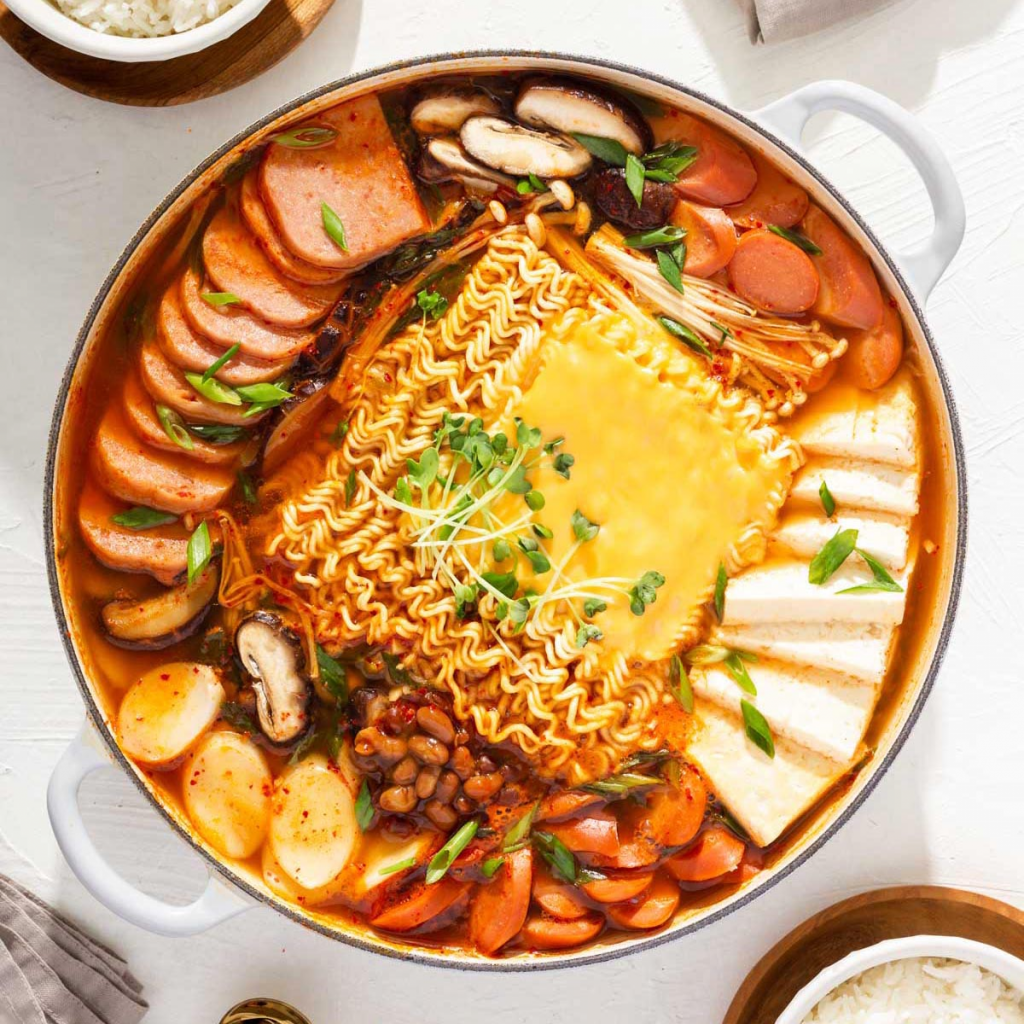
For example, one dish that an influencer took to social media is Budae-jjigae, or Korean Army Stew, and simplified it for a quick cooking video. Although the creator had good intentions, millions of people watched it and were introduced to the dish without much explanation of where it actually came from. In many versions online, its a fun, easy, and customizable meal, but the history behind it is more complex. Budae-jjigae originated in South Korea after the Korean War in the 1950s. During this time, the country faced extreme poverty and food shortages. Near U.S. military bases, people would use surplus ingredients from the bases like Spam, hot dogs, baked beans, cheese and combine them with traditional Korean ingredients.
At the same time, social media has also helped resurface “lost” traditional dishes that might have faded from mainstream attention or were lost in translation as the years passed by. The creators who do this take the time to research, credit, and respectfully highlight a dish’s background, to educate people about them. This is a great example of appreciation. We all love food and how it connects people, but it’s important to make sure that we’re using that connection to uplift cultures, not to unintentionally rewrite them.
Citations:
Long, K. (2020, March 3). The Fine Line Between Culinary Appropriation and Appreciation. Spoon University; Spoon University. https://spoonuniversity.com/school/uc-berkeley/the-fine-line-between-culinary-appropriation-and-appreciation/
Rose, J. (2025, March 17). The Complicated History Of Budae Jjigae: Korea’s Delicious Army Base Stew. Food Republic. https://www.foodrepublic.com/1807877/budae-jjigae-army-base-stew-korean/
McCann, S. (2019, April 15). The cultural appropriation of food. Solid Ground. https://www.solid-ground.org/cultural-appropriation-of-food/
link slot situs gacor slot thailand toto bento4d link togel slot resmi toto bandar togel