
Better for the Psyche: Minimalism vs Maximalism
May 1, 2026 2026-05-21 6:59Better for the Psyche: Minimalism vs Maximalism
By: Annalisa Fletcher
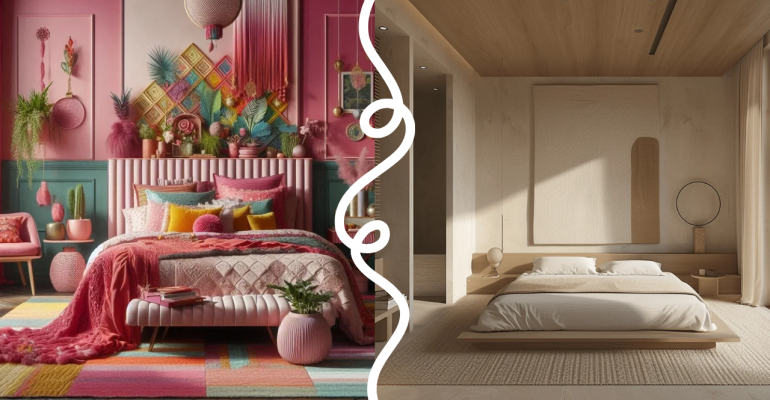
From Pinterest boards to TikTok room tours, the way people design their spaces and lives has become a form of self-expression. Some may lean toward minimalism which is more clean focused, simple, and clutter-free while others embrace maximalism, filling their spaces with color, personality, and mundane items. But which one is actually better?
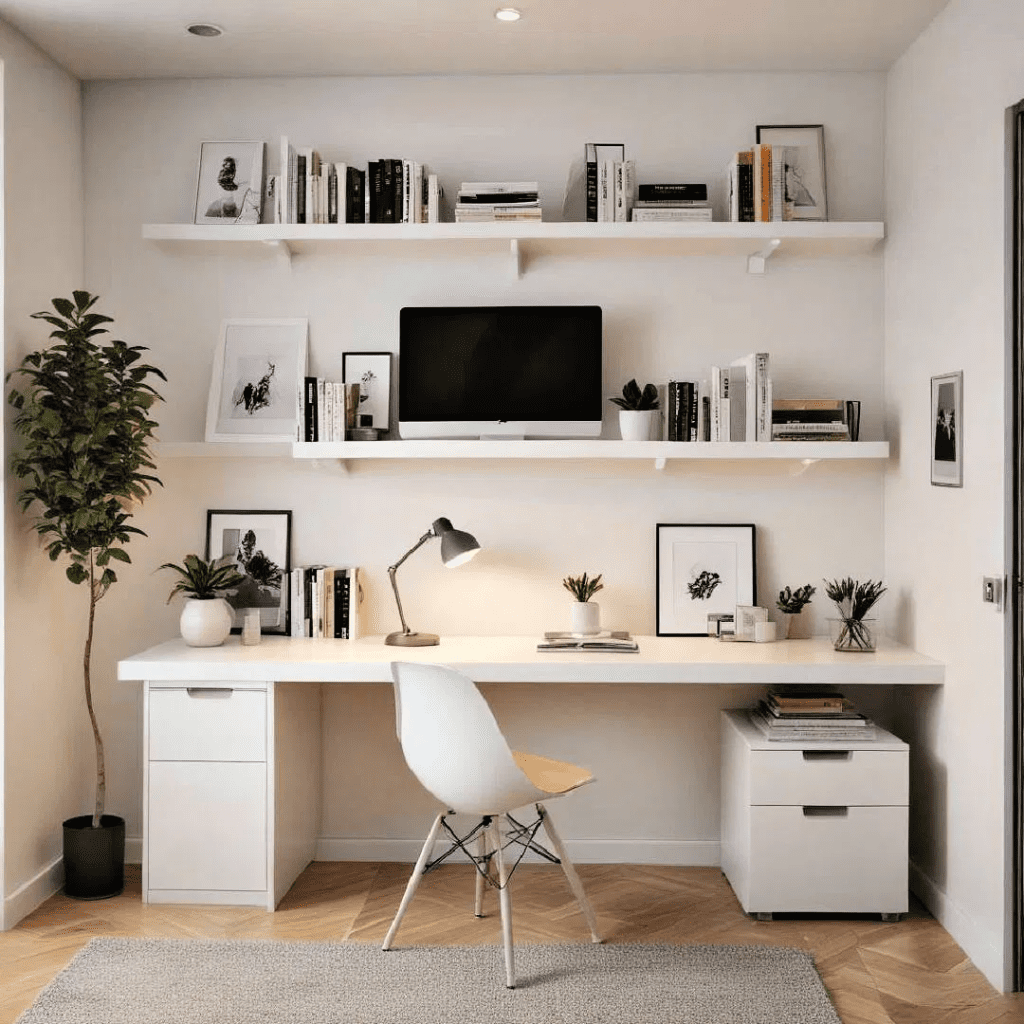
The concept of minimalism has grown in popularity, especially among young people who are trying to reduce stress and simplify their lives. The idea is simple, less “stuff”, less distraction. Studies in environmental psychology have shown that cluttered spaces can increase feelings of anxiety and make it harder to focus. A cleaner, more open environment can create a sense of calm and control. Briana Erris [11], reflected on how her living space changed her mindset and noted, “Recently I moved, but at my old house, I had a lot of stuff… It was nice to look at. My new room isn’t really my style, but I feel like it’s better though, because when you have less stuff, it’s calmer to look around.” Her experience highlights one of minimalism’s biggest strengths which is the fact that it can create a peaceful atmosphere. Without constant visual distractions, people may find it easier to relax, study, or simply think. However, minimalism isn’t perfect. For some, too little can feel just as uncomfortable as too much.
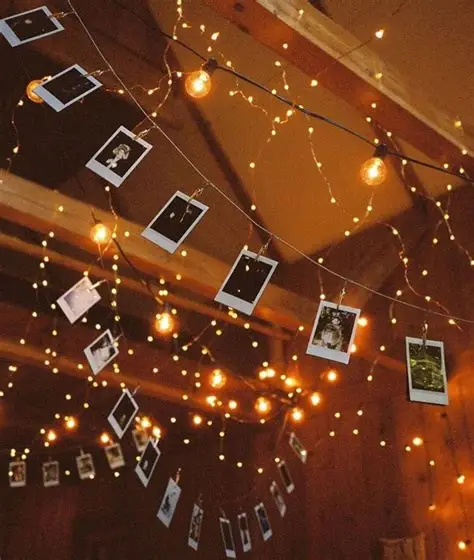
On the other side, maximalism promotes individuality. It encourages people to surround themselves with items that reflect their personality, memories, and interests. Instead of empty walls maximalist spaces are often filled with photos, art, and not an inch without décor. Research suggests that personalization in a space can increase happiness and a sense of identity. Having familiar objects and decorations around can be comforting and even motivating. A room filled with meaningful items can feel more “alive” and personal compared to a bare, minimal space. Maximalism also has its downsides too. Too much visual stimulation can become overwhelming, especially during stressful moments. Kami Saunders[11] explained this balance clearly, “My room is definitely somewhere in the middle. I have a lot of pictures on the wall and a lot of decorations. It’s nice to look at sometimes, but I think in times I get overstimulated by all the stuff going on in my room, it’s like too much.” Her experience reflects a common issue with maximalism that being creative and expressive can quickly cross into clutter. When everything is competing for attention, it may actually make it harder to relax or focus.
Interestingly, neither perspective fully “wins.” Even those who prefer one style often recognize the benefits of the other. Saunders added, “If it was minimalist, I feel like I would still be stressed out because there’s not enough… I think having a balance is really good.” Honestly, the ideal environment depends on the person. Some people thrive in simplicity, while others need stimulation and personality around them. The key may not be choosing one extreme, but finding a balance that fits personal needs. Minimalism offers calm, clarity, and intentional living, while maximalism provides comfort, creativity, and self-expression. Neither is inherently better, it just depends on what makes someone feel at ease in their own space.
bento4d link slot bento4d situs slot situs togel slot gacor slot gacor