
Alysa Liu: Breaking the Ice
February 27, 2026 2026-02-27 13:57Alysa Liu: Breaking the Ice
By Srishti Sawant
“There’s nothing to be lost.” – Alysa Liu, 2026
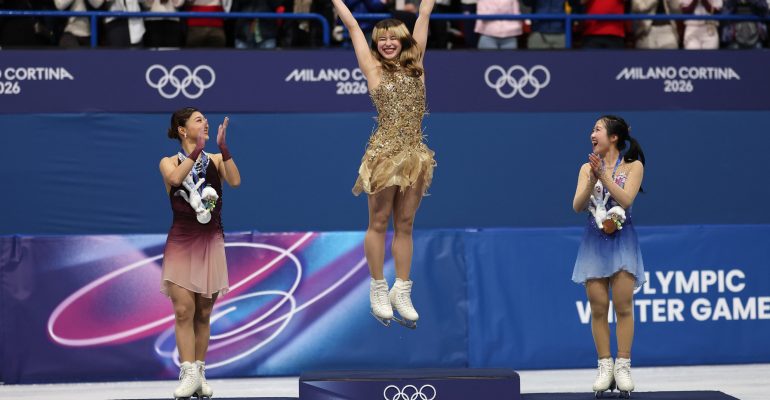
Last week, 20-year-old figure skating prodigy Alysa Liu competed in the 2026 Milano Cortina Winter Game and won the first Olympic gold in women’s singles skating since Sarah Hughes in 2002. However, what makes Liu so inspirational isn’t just her competitive resume but her radiating mindset that has won the hearts of individuals all over the world.
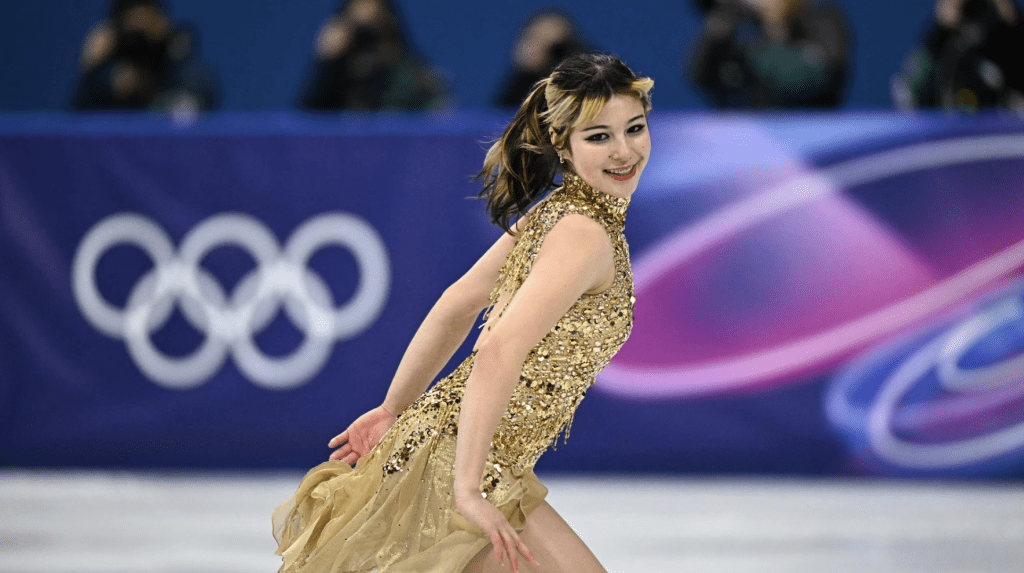
(Image Courtesy of NBC)
Liu is an American figure skater who became the youngest U.S. women’s national champion at 13 and later later shocked the sport by retiring at just 16 after the 2022 Olympics, openly citing burnout and emotional exhaustion. What makes her story especially powerful now is how openly she has reshaped her relationship with skating though moving away from burnout and pressure toward joy, gratitude, and genuine love for her craft. After describing skating as a “job” during her difficult 2022 season, she returned with a new mindset, saying she “just feels so lucky” to do the sport again. Her journey stands out as an inspiring example of resilience and mental well‑being, showing that greatness can come not from perfectionism, but from rediscovering passion and skating on her own terms.
Her Mindset
“Breaks can do wonders for you.”
Liu’s break let her strip away the “job” mentality and reconnect with the art of skating, allowing her to return with softer lines, freer musicality, and a program presence that felt authentically her, not engineered to satisfy relentless norms. Specifically, she came back expressing gratitude and joy (skating is “definitely not a job… I just feel so lucky I get to do this”), and that mindset showed up in the way she performed under Olympic lights—confident, expressive, and unhurried—while still delivering gold‑level technical skills. In an arena that often rewards only difficulty and perfectionism, her message that breaks can do wonders resonated worldwide. And beyond athletes, her belief that breaks can do wonders has inspired countless people who see in her journey a reminder that stepping back to protect joy and well‑being isn’t weakness but a powerful reset that can restore creativity, purpose, and authenticity in any part of life.
“It’s not that serious.”
Liu’s mindset “It’s not that serious” helped her step back from the rigid expectations that once defined her skating and return with a freer, more authentic artistic style that audiences immediately noticed on the Olympic ice. When she said, “I’m really confident in myself, and even if I mess up and fall, that’s totally okay too,” it reflects how she allowed mistakes to become part of her expression rather than something to fear, which made her skating feel more open, joyful, and deeply connected to the music. This shift didn’t just help her shine in Milan, but it also resonated with viewers everywhere who saw her performances as a reminder that embracing ease, play, and self‑trust can be freeing in any part of life, not just sports.
“There’s nothing to be lost.”
In an interview, Liu once said “Every second you’re there, you’re gaining something. There’s nothing to be lost.” This line of hers sums up how she rebuilt her training around curiosity and steady work, which let her reconnect with her artistry without slipping back into a rigid, robotic grind. That mindset shows up in the way she talks about competing, like when she told NBC “I don’t need this,” while holding her gold medal, “But what I needed was a stage, and I got that,” because being present and expressing her art matters most. Audiences could feel it in Milan as she skated with joy and ease and spoke afterward about being “peak happiness” on the ice, a message that inspired not only athletes but anyone who’s trying to balance hard work with creativity and self‑trust.
Spreading Awareness
“I hope that, you know, with all this attention I can at least raise awareness about mental health in sports.”
– Alysa Liu, 2026

Liu’s hope to “raise awareness about mental health in sports” reflects the compassion behind her entire comeback, because she knows firsthand how isolating and overwhelming the pressure can be for young athletes. By speaking so openly on the Olympic stage, she turned her personal journey into something bigger that reminds people that honesty and vulnerability can create real change in the culture of competitive sport.
IA Junior and student athlete Advika Chandras captures what many people felt this Olympic season when she says,
“It’s inspirational to see how she rose back up and did it on her own terms.” – Anya Sri (11)
Alysa Liu’s 2026 season wasn’t just a return to competition, it was a return to herself, and that authenticity is what made her skating and her voice so powerful. Her story shows that when athletes choose joy, balance, and self‑understanding, they don’t just transform their own careers, they inspire everyone watching to rethink what success can look like.