
Are Medical Shows Accurate?
February 27, 2026 2026-02-27 13:59Are Medical Shows Accurate?
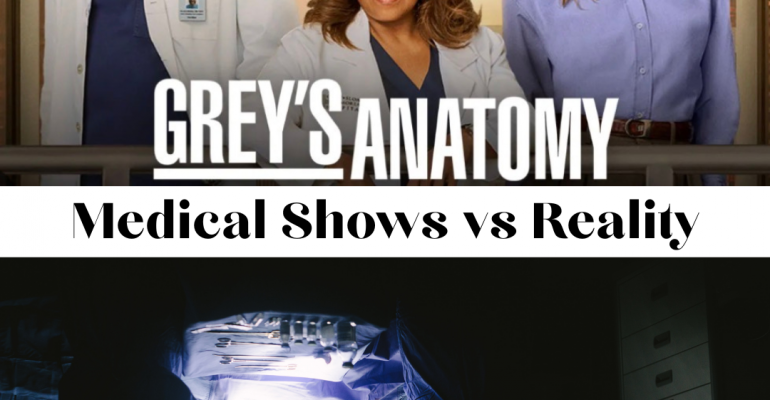
by Poorvi Roopesh
It’s a Friday night and all your work is done, so like many others, you find yourself in front of your TV watching, maybe even binging one of your favorite medical shows. Medical dramas have become one of television’s most addictive genres. According to BBC, “Medical science genres have a rich source of stories and intrigue.” It combines life‑or‑death situation with emotional storytelling and humor to keep the viewer hooked. Whether you are watching the chaos in Grey’s Anatomy, or the humor in House, M.D, these shows let viewers enjoy a perceived lives of medical professionals in a dramatic yet captivating way. While many viewers know that not everything on-screen is medically accurate, the line between fiction and reality is blurrier than people think.
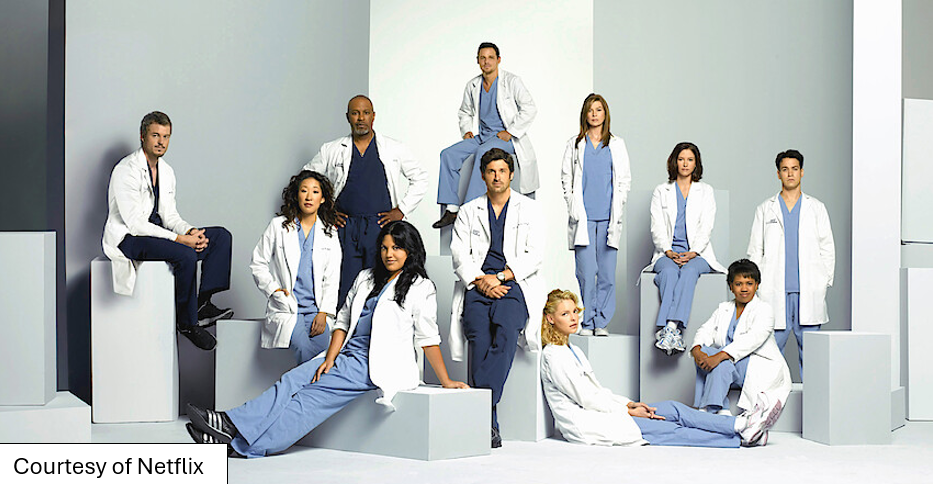
The primary purpose of medical shows is to entertain their audience. These shows aim to keep viewers invested in their story line by incorporating aspects such as drama, and personal relationships, along with chaotic medical emergencies. Medical shows don’t usually air with the goal of being educational, although medical dramas also serve as a subtle form of education, it is not their main goal. Shows like Grey’s Anatomy expose viewers to a variety of medical terminology and real-life diseases. However, education isn’t usually the priority in medical shows.
Where Medical Shows Get It Right
Despite the drama in medical shows, they do offer moments of accurate representation.
Medical shows usually do well in capturing the emotional realities of healthcare. Doctors and nurses face long hours, stressful decisions, and traumatic injuries every day. Shows like Grey’s Anatomy do well in portraying the mental strain and pressure that the medical profession brings.
Medical shows also often use accurate terminology, thanks to medical consultants who guide writers and actors. According to Cleveland Clinic, “Medical TV shows might not win Emmy Awards for accuracy, they don’t try to confuse you by making up fake names of diseases, medications or procedures. Many of the terms they use may be a mouthful and sound confusing, but they’re used by real healthcare professionals, too.” (Clinic)
Where Medical Shows Get It Wrong
While medical shows look real, they can often be inaccurate due to prioritizing the plot.
One major inaccuracy is the speed of diagnosis and treatment. In Grey’s Anatomy, a patient might arrive, undergo multiple scans, receive lab results, and head into surgery within a single scene. But in reality, this process takes hours or even days for extremely complicated cases. Medicine requires extreme accuracy which means it takes time. Medical dramas also inflate survival rates and outcomes. Characters survive extreme injuries that would be fatal in real life, plane crashes, explosions, and rare complications often end with characters with very little injuries or ridiculous recovery rates. The romantic drama within medical settings is extremely unrealistic. In Greys Anatomy we can see a variety of inappropriate behavior which would not happen in reality.
Medical shows can be inaccurate in terms of sterile procedures and machine accuracy. We can often see a doctor walking into the OR with just a mask or breaking sterility during surgery by rubbing their face. In reality we would not see surgeons making these mistakes. Medical machines in shows can be inaccurate as well, often times showing unrealistic vitals. “Unfortunately, the real-time displays hardly ever match the reality of the patient’s situation and monitoring devices.” (“Medical Show Myths: 7 Things TV Doctors Get Wrong”).

Healthcare student Fadzi Motsi, (11) said, “Medical shows are not bad for someone who doesn’t know the specifics of healthcare but often times characters are breaking sterile fields, or HIPAA violations.
Healthcare student Abigail Misganaw, (11) said, “Medical shows are pretty accurate when they are showing the stress levels doctors go through. The drama is inaccurate but its necessary for the show to remain entertaining.”
In conclusion medical shows exist to entertain. They are filled with chaotic emotion filled scenes. Medical shows can highlight the reality of healthcare rigor and stress but there are many other factors such as procedures or HIPAA violations that make the show inaccurate. So the next time you watch a medical show you will know that not everything that happens on the set happen in a real OR.