
Fizz, Flavor, and Facts: Exploring Three Types of Coke
October 1, 2026 2026-10-01 14:19Fizz, Flavor, and Facts: Exploring Three Types of Coke
By Anaiya Patel & Srishti Sawant
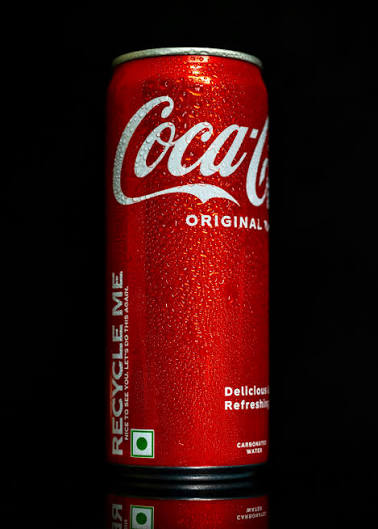
It’s 11 pm. You are exhausted from a tedious day of work and all you want to do is relax. You grab the all-too-familiar chilled red can, pop the top, and wait a split second for the fizz to calm before savoring the caramel-colored concoction that has conquered the world. Coca-Cola, otherwise known simply as Coke, is a sweet, bubbly, carbonated soft drink that is consumed by billions all around the world. Over the years Coca-Cola has grown and evolved from being used as remedy for various ailments to being one of the most popular (if not the most popular) soda brands in the world. Today we are taking a look at the three main types: diet, zero sugar, and regular.
The main differentiating factor between all three types is calories and sugar. Coca-Cola is soda made from carbonated water, high-fructose corn syrup, caramel coloring, phosphoric acid, natural flavorings, and caffeine. According to the Official Coca Cola website, one serving size of a regular coke is 240 calories and contains 65 grams of sugar due to the high fructose corn syrup used. Coke doesn’t use any artificial sweeteners, thus leading many to prefer the raw sugary flavor. IA junior Maanya Prabhu (11th) explains her own experience with the common variations of Coke,
I would say that the original tastes sweet and syrupy, while the diet is a close mimic of it, and the zero tasting slightly more bitter with a weird aftertaste.
Why We Drink It: Taste, Health, and Choices
People choose to drink Coke for different reasons whether it be caffeine, the spicy aftertaste from the carbonation, or the craving of a drink that can satisfy the sweet tooth. The primary purpose of the different types of Coke is both flavor and health. Some people may enjoy Coke but can’t consume the sugars due to things like diabetes, so they may opt for Diet Coke. Prabhu adds, “In my opinion, I choose my Coke based on my health. So, I assume that most other people do as well. But I also know that a lot of people choose their type based on the taste, which is why a lot of them choose to stick to the original.” Of course neither the healthier versions of Coke and regular Coke itself are necessarily healthy, but it at least provides consumers with a selection to help ease their minds that drinking a can of soda won’t interfere with their diets such as calorie deficits.
Unpacking Coke Zero and Artificial Sweeteners
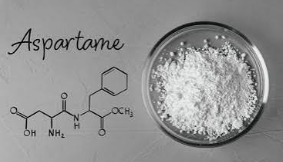
Now moving onto Coke Zero, it essentially is made up of the same formula as regular Coke. Between Diet Coke and Coke Zero, Coke Zero has the most similar flavor profile. Prabhu adds, “I think, overall, between Coke Zero and diet, it’s the taste. However, with the regular, it’s more about whether or not it is healthy rather than the taste.” Despite its name, Coke Zero isn’t all that it’s made out to be; it’s associated with health risks such as weight gain, insulin confusion, slower metabolism, as well as changing your brain’s reaction to sweetness. According to Cleveland Clinic, Coke Zero, as implied, contains zero sugar and zero calories as it uses artificial sweeteners as a substitute to high fructose corn syrup. According to the National Institutes of Health, “Artificial sweeteners are sugar substitutes that provide high sweetening power associated with low accompanied calories.” Artificial sweeteners, such as the aspartame and acesulfame potassium used in Coke Zero, are used in everyday foods and drinks including coffee, tea, ice cream, and even breakfast cereal. Due to aspartame being around 200 times sweeter than table sugar, only a small amount is used. However, it is important to keep in mind that even though these sweeteners are not real sugar, they can still be addicting and have lasting side effects. Aside from those risks, aspartame has been declared a safe alternative for sugar and can still be used to offer a sweet taste without the calories.
The Case for Diet Coke
Before looking at how students choose, it is worth understanding where Diet Coke fits into the picture. First introduced in 1982, Diet Coke was Coca-Cola’s first major sugar-free cola. While Coke Zero is designed to closely mimic the taste of classic Coke, Diet Coke uses a distinct flavor profile that yields a lighter, crisp taste. Nutritiously, according to Healthline, “a 12-ounce (355-mL) serving of Diet Coke provides: Calories: 0, Total fat: 0 g, Sodium: 40 mg, Total carbohydrate: 0 g, Total sugars: 0 g, Protein: 0 g, Caffeine: 46 mg”. Notably, Diet Coke contains slightly more caffeine than Coke Zero, which sits at 34 mg per 12-ounce can. When it comes to health, Mayo Clinic notes that “a diet soda is the low- or no-calorie version of a drink where sugar is replaced with a nonsugar sweetener” and “people may choose diet soda to help manage blood sugar levels, lower the risk of tooth decay or manage weight”. However, health experts at Mayo Clinic also emphasize that “diet soda typically doesn’t have ingredients that your body needs”, reminding consumers that while sugar-free options can assist with calorie deficits, plain water remains the healthiest choice.
What Innovation Academy Students Think
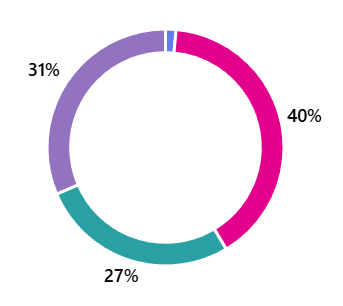
While health research and nutrition facts explain the differences on paper, how do these options actually play out in the halls of Innovation Academy? A recent survey of 70 IA students revealed a clear breakdown in what people reach for (Image 3); an overwhelming majority of IA students preferred Regular Coke (66%), while a minority of students almost broke even the amount of votes for Coke Zero (18%) and Diet Coke (16%).
An overwhelming majority of IA students stay loyal to the original formula, largely driven by nostalgia and familiarity. Mariah Howard [11th] shares,
“I would choose regular because it’s iconic and reminds me of my childhood at the Coca-Cola factory.”
For others, it’s simply a matter of habit. Rozalia Reid [12th] notes,
“I am not a big Coke drinker, but when I do drink it, it’s usually the regular because it’s the one I’m used to.”
However, a notable minority turns to low- and zero-sugar alternatives to strike a balance between indulgence and health. Brian Nguyen (12th) explains,
“I tend to get self-aware about drinking dozens of grams of sugar from a single bottle. When I’m given the choice between the original and Zero Sugar, Zero Sugar makes me feel a bit better about that.”
Meanwhile, Diet Coke maintains a dedicated following for its distinct taste. Maanya Prabhu (11th) prefers Diet
“because it tastes better than the other two and is healthy.”
Whether it’s the classic high-fructose sweet kick, the nostalgia of childhood field trips, or a sugar-free compromise during a late-night study session, at the end of the day, do we choose our drink for the memory, the flavor, or the label?