SHEIN: Too Cheap to Be True?
August 27, 2026 2026-08-27 18:34SHEIN: Too Cheap to Be True?
Micro-trends, $3 sundresses, and the real cost behind the fast-fashion favorite SHEIN.
By Srishti Sawant

Picture this: You scroll through TikTok or Instagram, and another $100 SHEIN haul video pops up on your feed. A creator pulls out an endless mountain of trendy tops, matching sets, and dresses. Within seconds, you load up your own online cart. After all, when a sundress costs less than a slice of cafeteria pizza, why wouldn’t you hit “order”?
Here at Innovation Academy (IA), fast-fashion powerhouse SHEIN lives on through student’s trendiest outfits. Gray plastic packages land on local doorsteps daily, yet a debate splits our campus: Do ultra-low prices justify the hidden environmental and ethical costs?
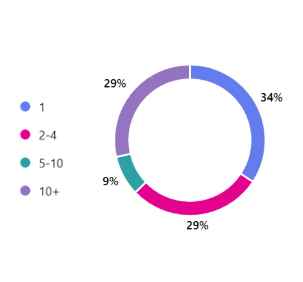
To measure SHEIN’s real presence on campus, a survey gathered responses from 135 IA students. The initial results might surprise you. A massive 77% of students surveyed said they do not wear SHEIN, leaving 23% who regularly shop the platform. For the 23% who do use the app, cheap hauls buy out consumer conscience. Exactly 36% of SHEIN shoppers confirmed they buy from the platform simply because it is cheap. However, the survey exposed a sharp split in how long those bargain clothes actually survive in student closets:
Despite durability concerns, SHEIN maintains a hold on teen wardrobes for a clear reason. Thousands of micro-trends churn through social media every week, and traditional retail stores struggle to keep up. SHEIN drops thousands of new styles daily at price points that fit a high schooler’s allowance. For some students, proper clothing care offsets the rapid cycle of fast fashion.
“SHEIN is great for fast fashion and if you take care of the clothes it can last you a lot of wears,” says Alaa Masalma [11].
For budget-conscious teens who want to experiment with personal style, those low prices feel like a win.
However, educators urge students to look beyond the bargain tag. AP Environmental Science teacher Ms. Taha points out that ultra-cheap pricing models rely on a cycle that forces consumers to buy and discard clothing constantly. Ms. Taha called SHEIN “Another one of the scams that is using fast fashion as part of the ploy.” She goes on to explain how we don’t even know if its sustainable long term which can easily be seen by how their low-cost cheap materials items lead people to over-purchase and throw out items and repurchase them thus leading in a non-sustainable thin both financially and environmentally. Inexpensive synthetic fibers like polyester wear out quickly and drop straight into landfills, where they take hundreds of years to decompose. What starts as a cheap bargain ends up draining your wallet and hurting the planet.
However, environmental damage tells only half the story. Ethical concerns surrounding cheap manufacturing also spark intense debate among IA students. Global news outlets like Reuters, NPR, and the BBC frequently highlight supply chain opacity, legal battles, and environmental sustainability hurdles across the fast-fashion industry.
These supply chain issues leave many students skeptical about the human labor behind rock-bottom tags.
“I don’t wear shein because there are lots of rumors about how they do child labor and I don’t support that. I find it really suspicious that they sell dresses and pretty clothes that otherwise cost more are regular stores. For example, a sundress on SHEIN can be as low as 2-3 dollars which is insane. The only way they can afford this is probably because they are using child labor. I don’t buy anything from SHEIN and I’d rather pay more and get my clothes from regular stores which I know don’t use child labor,” explained an anonymous student.
Balancing a tight high school budget with ethical awareness takes real effort. While cheap clothes will always tempt buyers, smart habits, like thrifting, swapping outfits with friends, or caring for existing clothes, keep us stylish without sacrificing our values. Before you click “checkout” on your next haul, ask yourself one question: Does that $3 dress hide its real price tag somewhere else?