
Should the Voting Age be Lowered?
May 1, 2026 2026-05-21 6:59Should the Voting Age be Lowered?
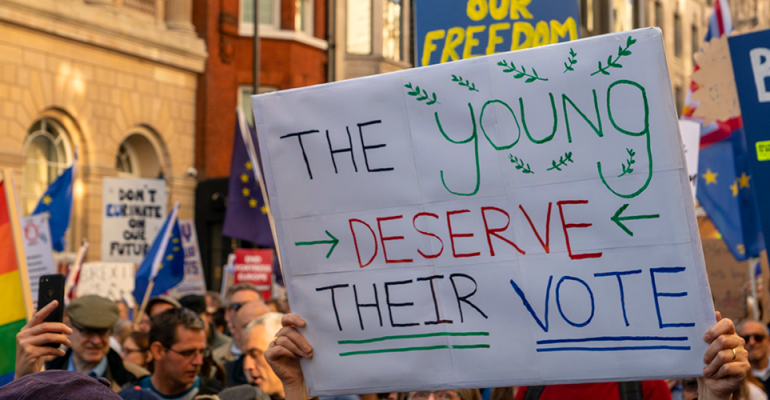
By Siddarth Suresh
The voting age in the United States has certainly changed before and in modern remembrance. For much of the country’s history, voting was restricted to a narrow group, but over time, amendments expanded suffrage to include Black Americans, women, and younger citizens. In 1971, the 26th Amendment lowered the voting age from 21 to 18 during the Vietnam War, driven by the argument that if someone is old enough to be drafted into the military, they should be allowed to vote. Today, a similar question is resurfacing: should the voting age be lowered again, this time to 16?

On the pro side, the change could strengthen democracy by building lifelong voting habits earlier. When people start voting at 16 or 17, often while still in school and supported by structured environments, they may be more likely to continue voting as adults. Additionally, teenagers already have a stake in political decisions in that policies on education and climate change directly affect their lives and their futures ,yet they have no formal say in who makes those policies. Furthermore, a plethora of 16- and 17-year-olds also work and pay taxes, suggesting they are capable of thoughtful participation in the economy. These teenagers’ participation in the workforce without any representation in Congress implies a clear parallel to the “no taxation without representation” rhetoric from the American Revolution, as noted by IA senior Madison Davis (12).
There’s also a practical argument: today’s teenagers are more politically aware than ever. With constant access to news and social media, many are already engaged in activism and advocacy. According to Davis, “A lot of the students I know here at IA are really passionate about what’s happening around us. I really think that giving teenagers who care about these issues a voice in our elections could definitely Lowering the voting age could channel that engagement into the formal political process, giving young people a constructive way to influence the system rather than remain on the sidelines.

On the con side, however, political awareness doesn’t necessarily equal readiness. While some teenagers are well-informed, many could still lack the life experience needed to evaluate complex issues like economic policy or foreign affairs. According to IA sophomore Jyosthna Gundala (10), “A lot of the teenagers I know are just immature and aren’t really able to think critically about issues. I’m scared they’ll bring those biases into our elections.” This idea of immaturity and naivety also raises concerns about independence, noting that younger teens may be more influenced by parents, teachers, and peers, which could limit the authenticity of their votes.
Another key concern is consistency. In most areas of law, 18 is considered the threshold for full adult responsibility, whether it’s signing contracts, serving on juries, or being fully legally accountable. Lowering the voting age without adjusting these other benchmarks “could create confusion about what it means to be an adult in society,” Gundala reflected.
Ultimately, the debate comes down to how we define readiness and representation. Lowering the voting age could be seen as a natural extension of expanding democratic participation, while maintaining the voting age could be justified as maintaining a necessary balance. As with past changes to voting rights, the outcome will depend on how society weighs inclusion against maturity and when it believes younger voices should be part of shaping the future.
bento4d link slot bento4d situs slot situs togel slot gacor slot gacor