
The Looming Consequences of Poor Cybersecurity Education
February 27, 2026 2026-02-27 13:57The Looming Consequences of Poor Cybersecurity Education
Professionals in the digital landscape, such as developers and web services, will often throw around the term “cybersecurity” as if it were professional lingo, but in reality, the likelihood of cybersecurity becoming paramount to any one career field is increasing by the day. As more and more companies and services move to online hosting, the digital landscape is growing in scale and complexity exponentially, and the recent marvel of generative AI continues to reform it in unforeseen ways. With these tides changing constantly, cybersecurity education will have to catch up quick, faster than ever before, just to ensure the digital world remains secure and protected from malicious intentions worldwide.
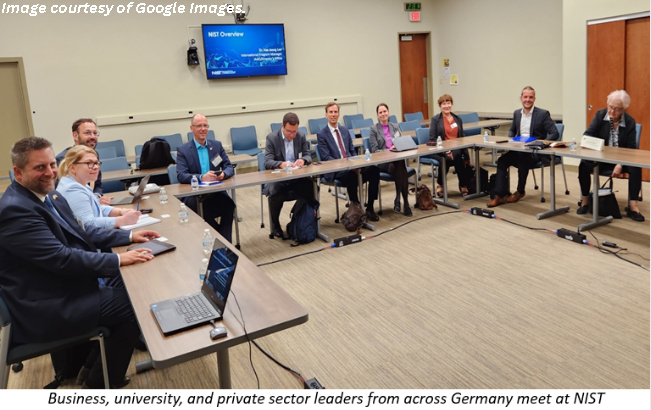
One of the largest issues preventing this ideal is the widening gap between industry and education, especially in non-metro areas. After visiting a National Institute of Standards and Technology (NIST) conference, Cybersecurity teacher Mr. Tyler Ross noted that, compared to professional standards, “Education is so far behind, and the technology industry is just exponentially growing so quick in comparison.” The rapid expansion of tools, threats, infrastructure, and methods has made it arduous for education systems to keep up, and the ever-prevalent budget cuts faced by many districts only throw another wrench in the process. Not only does this prevent students from reaching potential, it also dissuades younger students into entering the field, as they hastily deem it as boring. “We need labs. We need a cyber lab… We need that hands-on practice,” and without that practice, students won’t be able to keep up with current trends nearly quick enough.
Staffing also remains an issue; cybersecurity is by no means an underpaid field, and low teacher salaries in the U.S. continue to discourage any ideas of professionals entering education to teach future students instead of keeping with a well-paying career. “No one wants to take a teacher salary, “ Mr. Ross admitted, as there isn’t a lack of need, but rather “there’s no want to switch paths…” no reason to transition into teaching. Unfortunately, this issue especially relies on nationwide norms instead of a single industry, but the effects of staffing shortages on cybersecurity may stand as one of the most punishing possibilities caused by this trend.
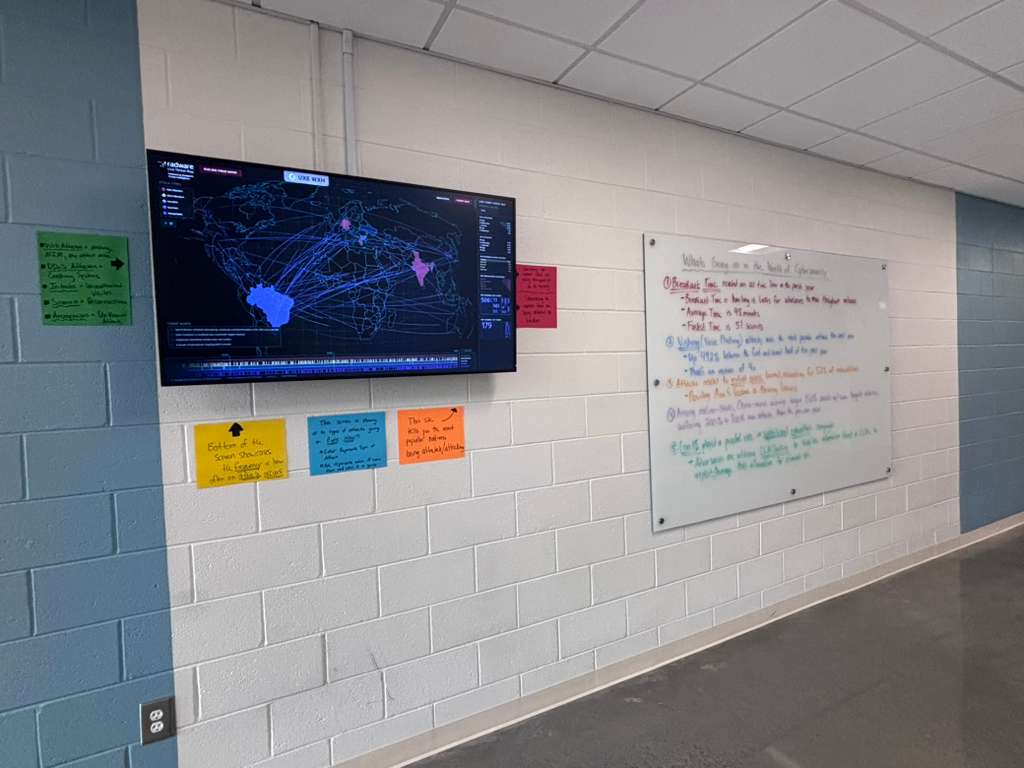
At the same time, generative AI has caused a dramatic spike in attacks and attack methods, making defense even more complex to tackle.“AI is making attacking… just so much easier,” Mr. Ross warned, noting how voice cloning and deepfakes have become exponentially more deceiving. On the other side, automation has also proved to have its limits, as“[some defenses are] already automated, but we still need humans to read and deal with the logs.” Human oversight will seemingly remain an essential step in the process, which could lead to even more difficulties down the road. Advanced Cybersecurity student Om Kamal [12] also opined that “Cybersecurity needs to teach more how AI will be used in the field… and how we will also need to learn to secure the AI to ensure we cannot get hacked through it.” He also noted that foundational skills such as “understanding networking principles, cryptography basics, secure coding, and analytical problem-solving are unlikely to become obsolete… because they apply regardless of the tools or platforms in use.”

All of the world already knows the power of the digital world and its tools, most have seen the wonders and productivity it can bring, and many have also seen the crushing consequences it can impose. While it is not something to fear by any means, just like a nation or company, it requires governing to institute order and security. Cybersecurity acts no different than a government or leader to these online lands, and it keeps attacks and threats at bay, letting the average person enjoy the privileges of Google and social media without being instantly compromised and ransacked for data. Its disappearance would be catastrophic for the Internet, and would rapidly send the world into a halt. The humans behind the screens and sites are the ones that keep the imminent chaos at bay, and cybersecurity education encourages young minds to take their places to keep computers usable. Running this field dry would make this scary possibility a reality; a reality that must be avoided at all costs for the continued prosperity of the modern world.