
Under The Spotlight – Forensic Science
March 20, 2026 2026-03-22 6:34Under The Spotlight – Forensic Science
By: Daniel Manetin
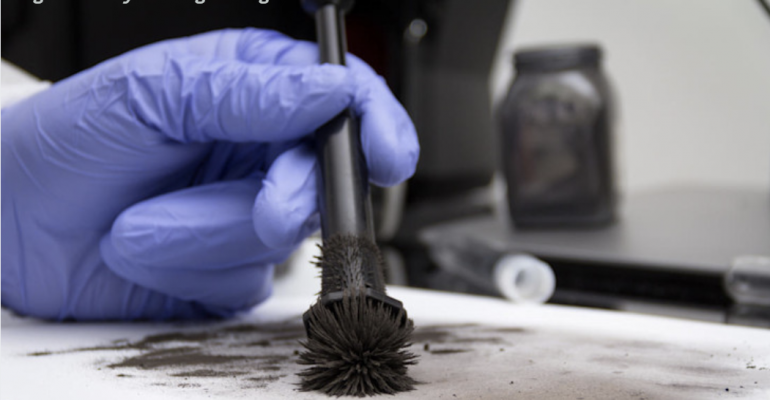
As one of many science classes offered at IA, Forensic Science stands out as a much more investigation-driven course than its alternatives, connecting science to real applications in more specialized ways than other science classes. Through a mix of labs, case studies, and creative projects, students analyze evidence and determine outcomes, centering around critical thinking and applications and providing a distinctly hands-on experience compared to the standard course catalog.
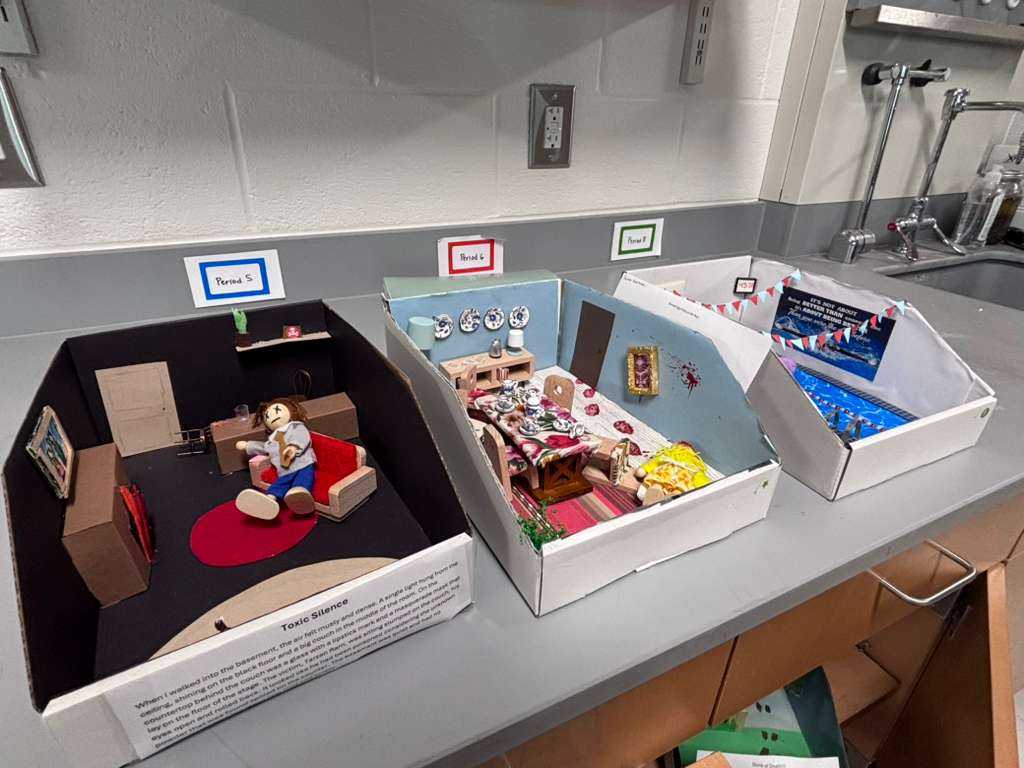
While the core concept of Forensic Science of course centers around science, as the class’s teacher Ms. Heather Nilson explains, “it’s applying the science to the criminal and legal side of things, like crime scene investigations… doing things like toxicology tests to provide legal support in a courtroom setting.” Instead of leaning into lectures and notes, the class is built around active participation in the forms of projects and labs. Ms. Nilson explained that during some experiments, “the students have been running tests on various over-the-counter medicines… they run the test, they collect their data, and then they’re given two unknown samples, and they have to try to identify what that sample is.” Larger projects expand on this, and one of the notable examples was one in which “students create a crime scene… they have to have a storyline, they have to have bits of evidence… and they have to show how the evidence links to a particular suspect,” providing both a specialized and uniquely intriguing experience.
In addition to engaging content and activities, Forensic Science also provides greater impacts to careers instead of just lab work. As student Nick Bradley [11] explained, “There is a lot more concepts in forensics than just science,” and the course explores real-world consequences more than other options even in other categories. This can include providing concrete evidence to cases, and even recognizing flaws in the system, as “many people have been labeled as criminals for crimes they did not commit,” and forensics can help to settle this imbalance. The class also challenges assumptions about the accuracy of facts, as “people get information wrong all the time,” and careful analysis is critical in providing proof and maintaining precision.
Science class is often associated with lab work and extensive notes with general use, but when it comes to Forensic Science, this stereotype is abandoned in favor of an unexpectedly engaging and fun curriculum. Hands-on learning is prioritized, and through this change students who enjoy questioning and careful thinking are able to get their fill of critical analysis more than alternatives may provide. For a course that requires no pathway specialization, Forensic Science stands out as catering to those who let curiosity and accuracy take hold in their studies, and it can easily provide that breath of fresh air into an otherwise common course load.
toto slot online