
The Tiny but Mighty Yellow Particle
April 17, 2026 2026-04-27 0:55The Tiny but Mighty Yellow Particle
By Annalisa Fletcher & Anaiya Patel
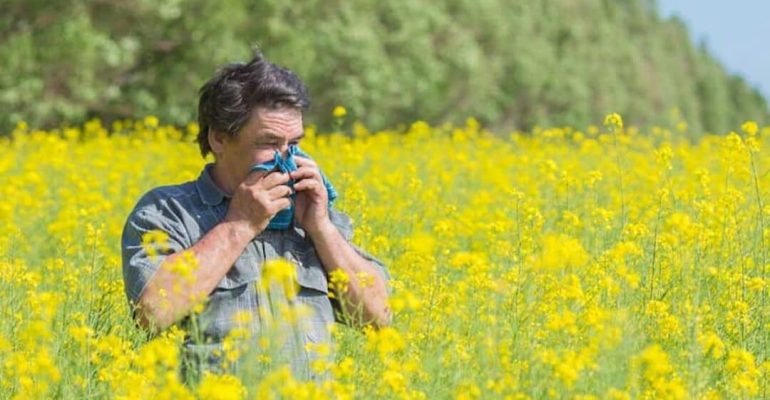
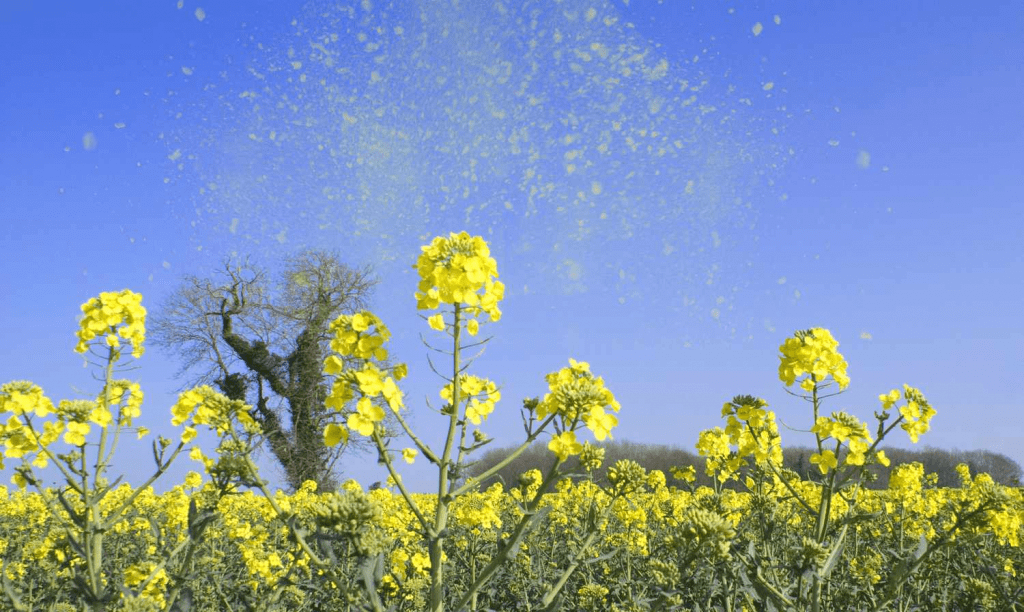
To a tree or a flowering plant, pollen is necessary for life. But to millions of Americans, it is a source of seasonal misery. Pollen, a yellowish fine to coarse powdery substance, is created by certain plants as part of their reproduction process. Pollen is essential for sexual reproduction of flowering plants and plants that produce cones. Each pollen grain contains male gametes necessary for fertilization. It can appear from trees in the spring, grasses in the summer, and weeds in the fall. Pollen is spread through the process known as pollination. Pollen is distributed from different plants by the wind. It is the grains or tiny seeds of flowering grasses, trees, and plants. It is transported by birds, insects like bees, and other animals to a multitude of plants. Pollen in the air can trigger sneezing, congestion, watery eyes, and other cold-like symptoms.
Rhiannon Nolsen [10] says, “I have fall pollen allergies, so I try to avoid areas with a lot of trees or grass, but it doesn’t always help because the pollen is still in the air. Even when I’m in the car or walking between classes, I can feel it affecting me. Sometimes I start coughing a lot, and it makes it hard to focus on lessons or conversations. Allergies are something I deal with almost every day.”
According to the Northeast Allergy Association, the history of pollen dates back millions of years. Fossilized pollen grains have been found preserved in rocks, ice, and sediments, helping scientists study ancient climates and plant life. The scientific study of pollen, known as palynology, began in the early 20th century. Researchers discovered that pollen could be used to learn about Earth’s environmental history, such as changes in vegetation and climate over time. Pollen analysis has also helped historians understand what crops ancient civilizations grew and how people interacted with their environment. Because pollen grains are durable and unique to specific plants, they serve as valuable biological records.
When pollen is inhaled, it comes into contact with the mucous membranes in the nose and throat. For those with pollen allergies, their immune system mistakenly identifies these harmless grains as potentially harmful invaders. This triggers an immune response, causing the body to produce a type of antibody known as Immunoglobulin E (IgE). These antibodies attach to mast cells in the nose, eyes, and lungs.
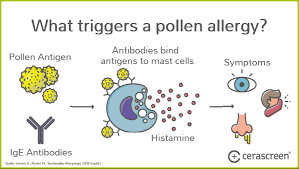
When pollen links up with the attached IgE, the mast cells respond by releasing a variety of chemicals, including histamine. Histamine causes the typical allergy symptoms such as sneezing, itching, and a runny nose. In severe cases, this reaction may also lead to an asthma attack. The severity and type of allergy symptoms can vary depending on the individual’s immune system and the type and amount of pollen inhaled.
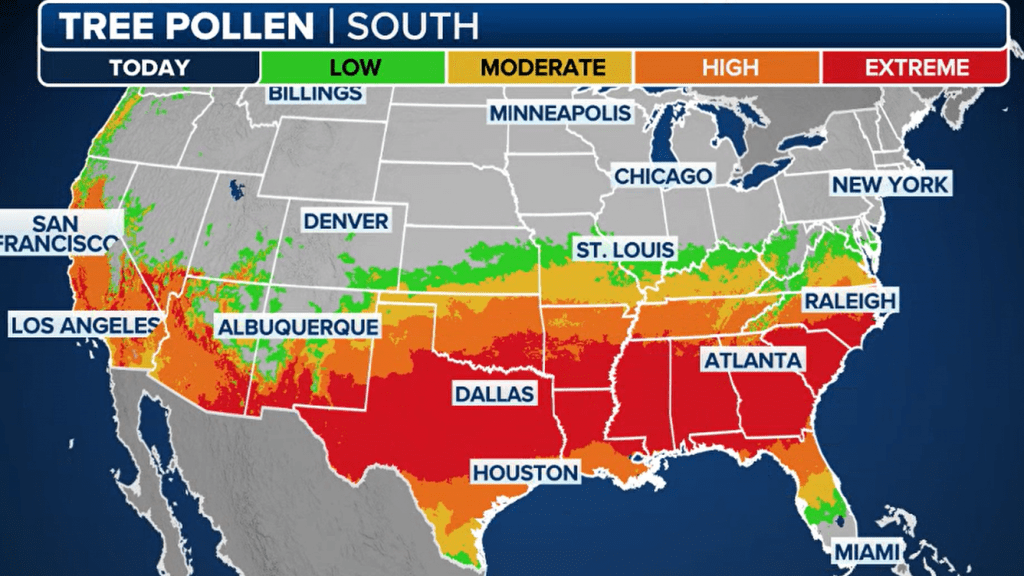
Not all pollen seasons are created equally, and where a person lives can make a major difference in how severe their allergies become. According to the Asthma and Allergy Foundation of America 2026 rankings, some of the most challenging places to live with seasonal allergies include cities such as Boise, Tulsa, Raleigh, and Greenville. These rankings change each year based on factors like pollen counts, use of allergy medicine, and access to specialists. Someone living in one state may deal with mild symptoms for a few weeks, while another may experience months of constant sneezing, congestion, and irritation.
The southern United States is often considered one of the hardest regions for allergy sufferers. Because of warmer temperatures and longer growing seasons, plants bloom earlier and release pollen for a longer period of time. This is referred to as the “priming effect” where people may first experience mild symptoms like a runny nose or congestion, but when pollen exposure continues for weeks or months, symptoms can become stronger and more uncomfortable. In areas with extended allergy seasons, people may face repeated waves of pollen instead of one short season. Climate change is also making pollen seasons longer and more intense, causing plants to produce more allergenic pollen than in the past.
Different people are also affected in different ways, even when exposed to the same pollen. Some may only have occasional sneezing, while others experience severe breathing problems or asthma attacks. Nyla Turner [10] shared how serious allergies can become in her family. She explained,“My sister’s allergies are really severe, and she’s even had to go to the emergency room before and be put on a ventilator.” Unfortunately, allergies can go far beyond annoyance and become dangerous medical emergencies. However one thing is common, people with allergies learn to adapt through daily habits and prevention. Yash Sajja [9] said, “We wear masks when pollen levels are high and try to stay indoors as much as possible.” Whether symptoms are mild or severe, pollen affects people in unique ways depending on both their bodies and the environment around them.
Pollen is like a double-edge sword; while it plays an essential role in allowing plants to reproduce and supporting ecosystems and food production it can causes suffering in those who have pollen allergies as they are plagued by a multitude of symptoms including running nose, itchy eyes, and sore throat; especially during spring and fall when pollen levels are high. The thing is without pollen, many fruits, vegetables, and flowers that people rely on would not exist so it’s not like we can just get rid of it. Climate change and increased pollution have made pollen seasons longer and more intense, affecting even more people each year. Overall, pollen is both beneficial and challenging—while it is vital for plant life and agriculture, it can also cause significant health issues. Understanding pollen helps people manage allergies better and highlights the importance of balancing environmental health with human well‑being.
Sources:
“Allergy Capitals.” Asthma & Allergy Foundation of America, aafa.org/asthma-allergy-research/allergy-capitals/.
Northeast Allergy. “What Is Pollen? Types, Allergies and Management.” Northeast Allergy, Asthma, and Immunology, Northeast Allergy, 6 Nov. 2023, neaai.com/what-is-pollen-types-allergies-and-management/.
Pia Viuf Ørby, et al. “The Effect of Seasonal Priming on Specific Inhalation Challenges with Birch and Grass Allergen among Persons with Allergic Rhinitis.” Frontiers in Allergy, vol. 2, 21 Oct. 2021, www.ncbi.nlm.nih.gov/pmc/articles/PMC8974820/, https://doi.org/10.3389/falgy.2021.737799. Accessed 8 Apr. 2024.
Vogelsberg, Jason. “How Allergies Differ in the South.” ENT of Georgia North, ENT of Georgia, 23 Sept. 2020, www.entofga.com/blog/how-allergies-differ-in-the-south/. Accessed 16 Apr. 2026.
slot resmi link gacor slot resmi slot gacor hari ini togel online slot gacor hari ini slot gacor hari ini link gacor situs hk slot gacor hari ini